
‘Filipiñana’ Review: The Ugly Truth Behind a Beautiful Landscape
Filipiñana is a beautiful descent into discomfort using the pristine world of a golf course to expose the class divisions hiding beneath its perfect scenery.

There is something almost funny about watching Filipiñana after seeing Rafael Manuel’s short film of the same name. The short leaves you with the feeling that there has to be more to this strange, unsettling world. So when a feature-length version comes along, you expect to want more of it. Instead, I found myself occasionally wishing there were less.
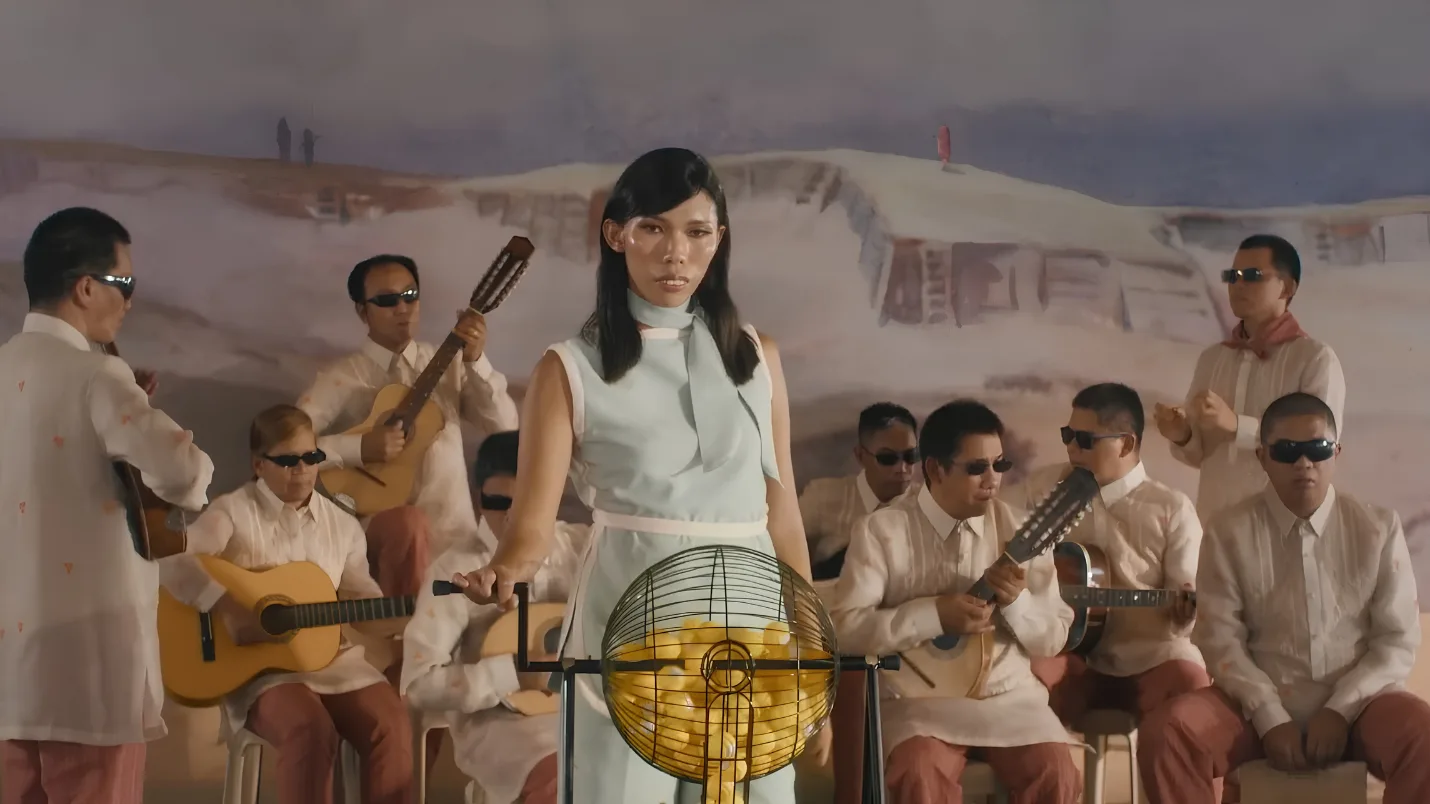
That doesn’t necessarily detract from the film’s vision. On the contrary, this is one film that certainly knows precisely what it wants to look and feel like. Manuel has a very keen visual sense and the entire output is full of well-composed shots that seem calculated and thorough, amazing colors that blend and complement each other that go with the beautiful production design that is thoughtfully arranged, and bold cinematography that manages to make an everyday golf course look eerie and strangely artificial.
Most of my problem about this film is that there are times where its own visual spectacle overstays far longer than the ideas underneath it begin to feel shallow and nonexistent, which is very evident in its earlier scenes.
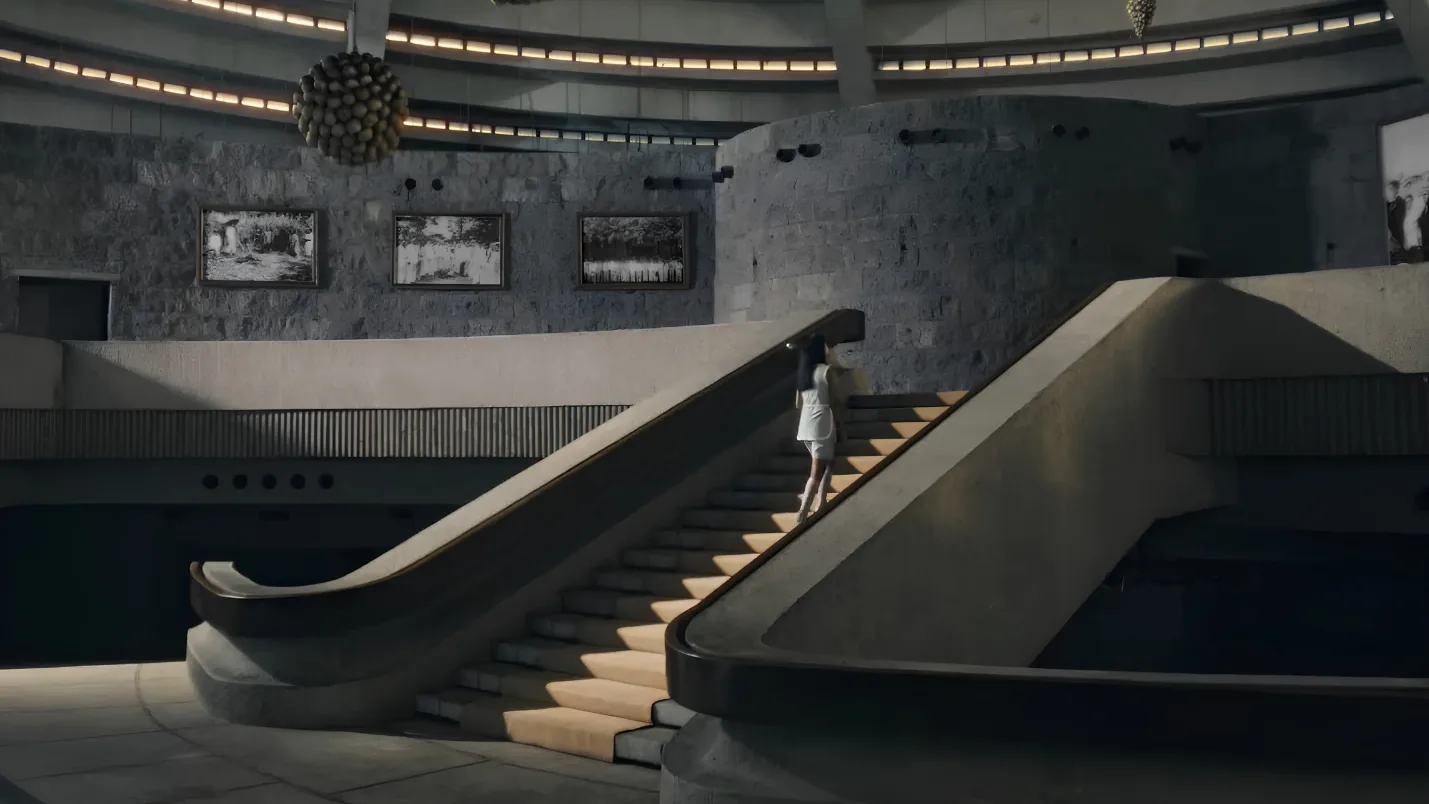
But let’s set aside the visual aesthetics of it and tackle its plot. Set inside the pristine, exclusive world of a golf club, Filipiñana examines a familiar social hierarchy. The people with money get to enjoy the place, while others are there to serve, maintain, and follow. The film’s anti-capitalist message comes through in how labor is treated as necessary but the workers themselves are barely seen.
Manuel does not necessarily have to explain the class system since it is inherent in the environment itself. The rich do not necessarily have to proclaim their dominance. The workers do not have to be informed of their status either. All of this seems to come naturally. It is especially disturbing the way in which this inequality comes naturally. The golf course looks pristine, peaceful, beautiful, and almost surreal in its perfection, but this perfection is based on people who are supposed to stay invisible.
It is where you’ll see the anti-capitalist and anti-colonial themes of Filipiñana emerge clearly. Work is central to keeping the system running, but the workers involved are seen as expendable components of that system. Status, subordination, and entry into areas that have been intentionally reserved are how power is exerted. By doing this, Manuel turns the golf course from an environment into an entire society on a small scale. I just wish the film trusted those ideas a little more.
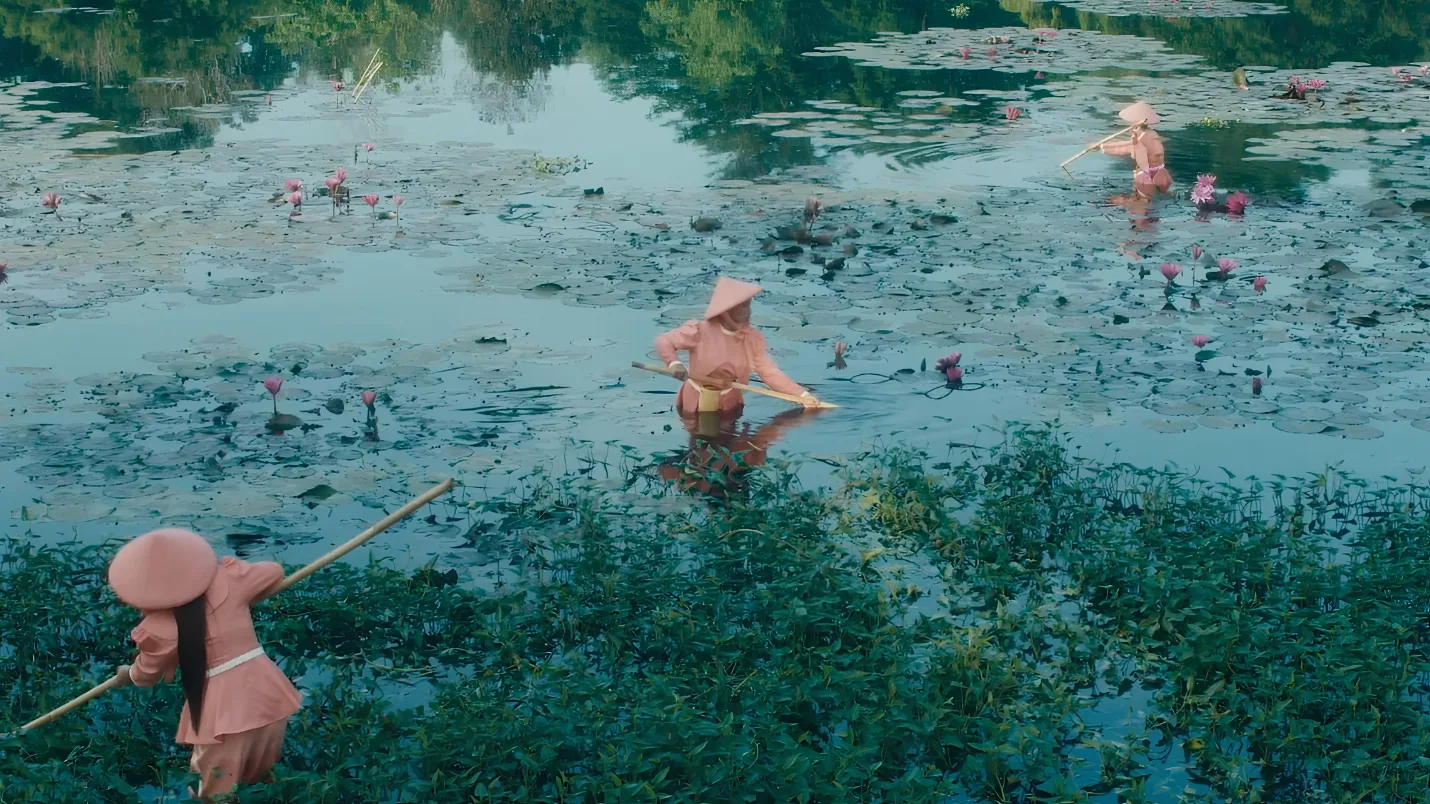
Because the opening portions are quite frustratingly slow, in many instances, the film made me appreciate its craftsmanship before offering me any good reasons to care about what is going on within it. But thankfully it found its own footing the moment its beauty started becoming uncomfortable as it became more uncanny the longer you looked at it. The pristine condition of the golf course, the precise movements, the hierarchy, and the near-farcical courtesy of the setting gradually seem less opulent and increasingly ominous. Elegance that was at first apparent now turns out to be oppressive.
And when the ending hits—without spoiling it—is what ultimately cemented my positive feelings toward it. It is dark, uncomfortable, and much less interested in giving the audience a reassuring conclusion. More importantly, it made the earlier details feel more purposeful in retrospect. The slow build finally pays off because the film stops simply showing the system and demonstrates how ugly that system can become when the people at the bottom are pushed far enough.
Even though I was perhaps expecting less of Filipiñana than I had hoped for from its short film version, I cannot say I left it indifferent. It might feel some scenes are overstaying their welcome and uneven at times with its pacing issues, but the images and the notions it brought to mind will definitely linger for some time.
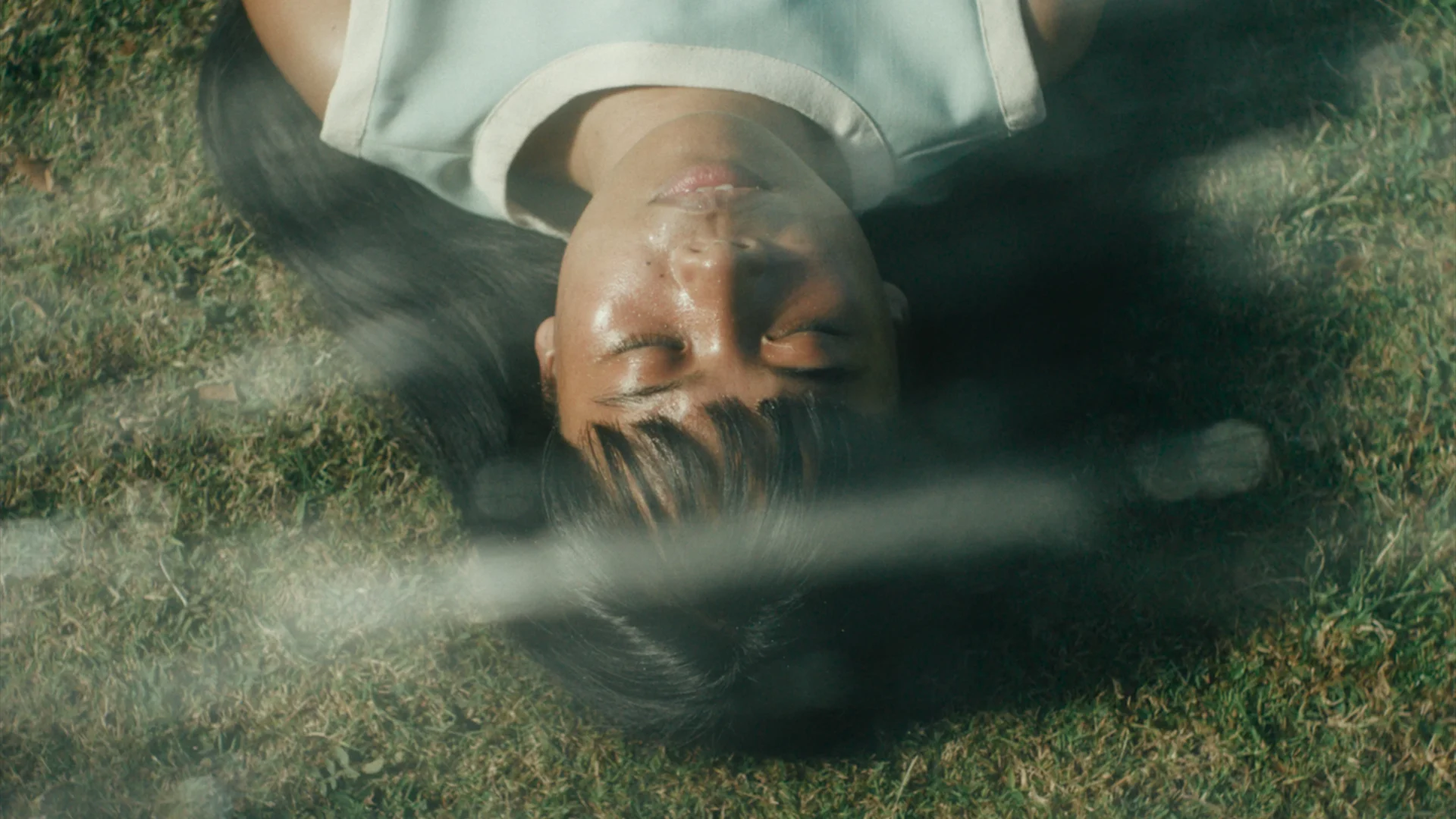
Filipiñana is written and directed by Rafael Manuel based on his short film of the same name. The film stars Jorrybell Agoto, Teroy Guzman, Nour Hooshmand, Carlos Siguion-Reyna, Sunshine Teodoro, Isabel Sicat, Carmen Castellanos, Elle Velasco, Agot Isidro, and more.
Thank you for reading. If you liked this Filipiñana review, check out more reviews here at Feature First!