
‘Sandy’ Review: Quiet Goodbyes That Feels Close to Home
The 16th edition of Binisaya closes with Sandy, a film from the regions that do not need to elaborate on their own culture or overstate it in order to have a message worth sharing and be proud of.

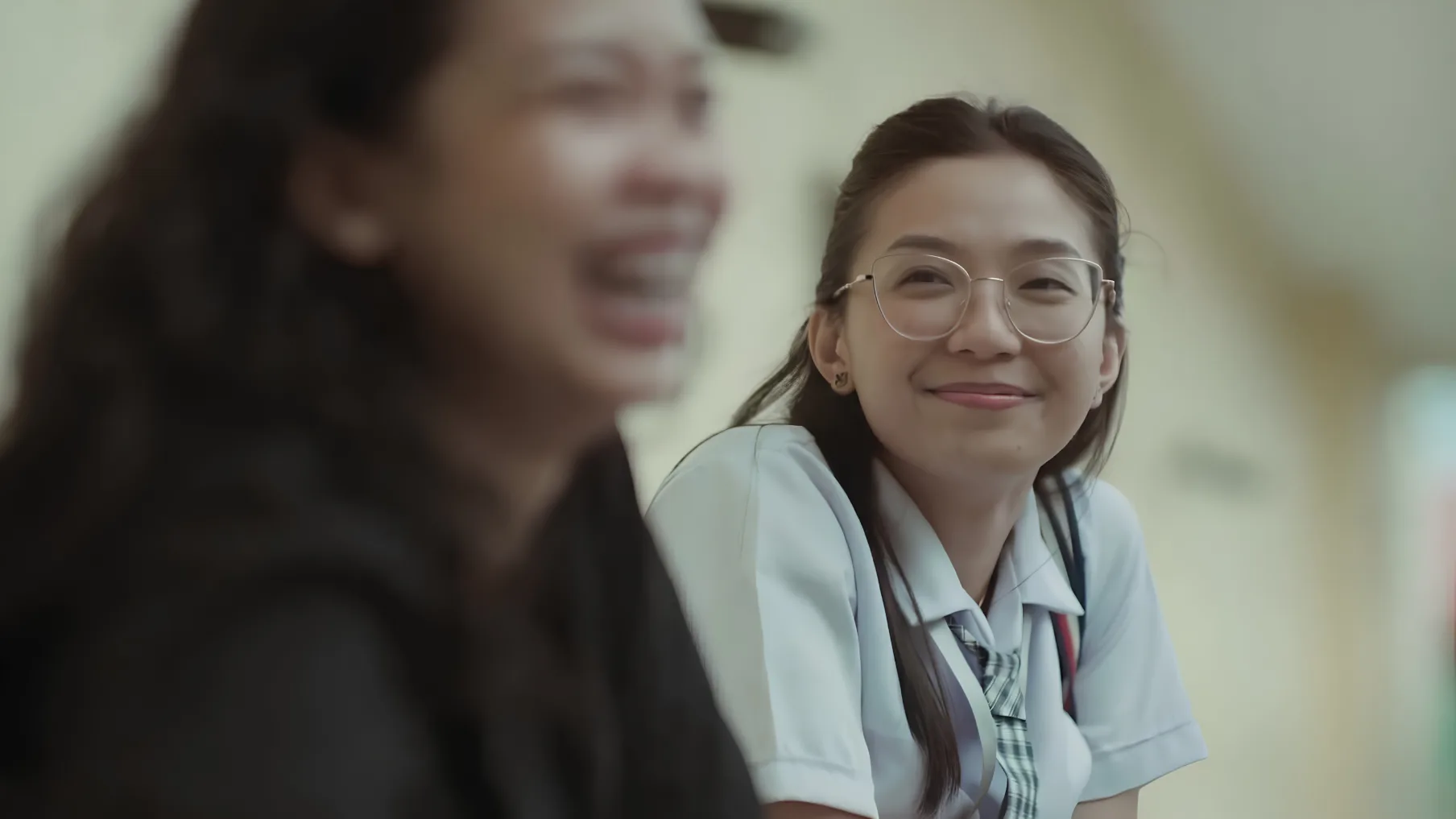
Cebu’s grassroots indie film festival, the Binisaya International Film Festival, closes its 16th edition with the world premiere of Sandy, the directorial feature-length film debut of Panabo City filmmaker Neo Bryce. Sandy along with past editions world premiere films, Huwebes Huwebes and Pinikas shows that even a small film festival like Binisaya has long made room for regional filmmakers and stories that might otherwise never get the chance to reach a wider audience to have a platform to show to the world.
Although Sandy is a small film, often very quiet and deliberate in its uneventfulness, it is charming the way it captures friendship, family, coming of age, and the harsh truth that sometimes some goodbyes are inevitable.
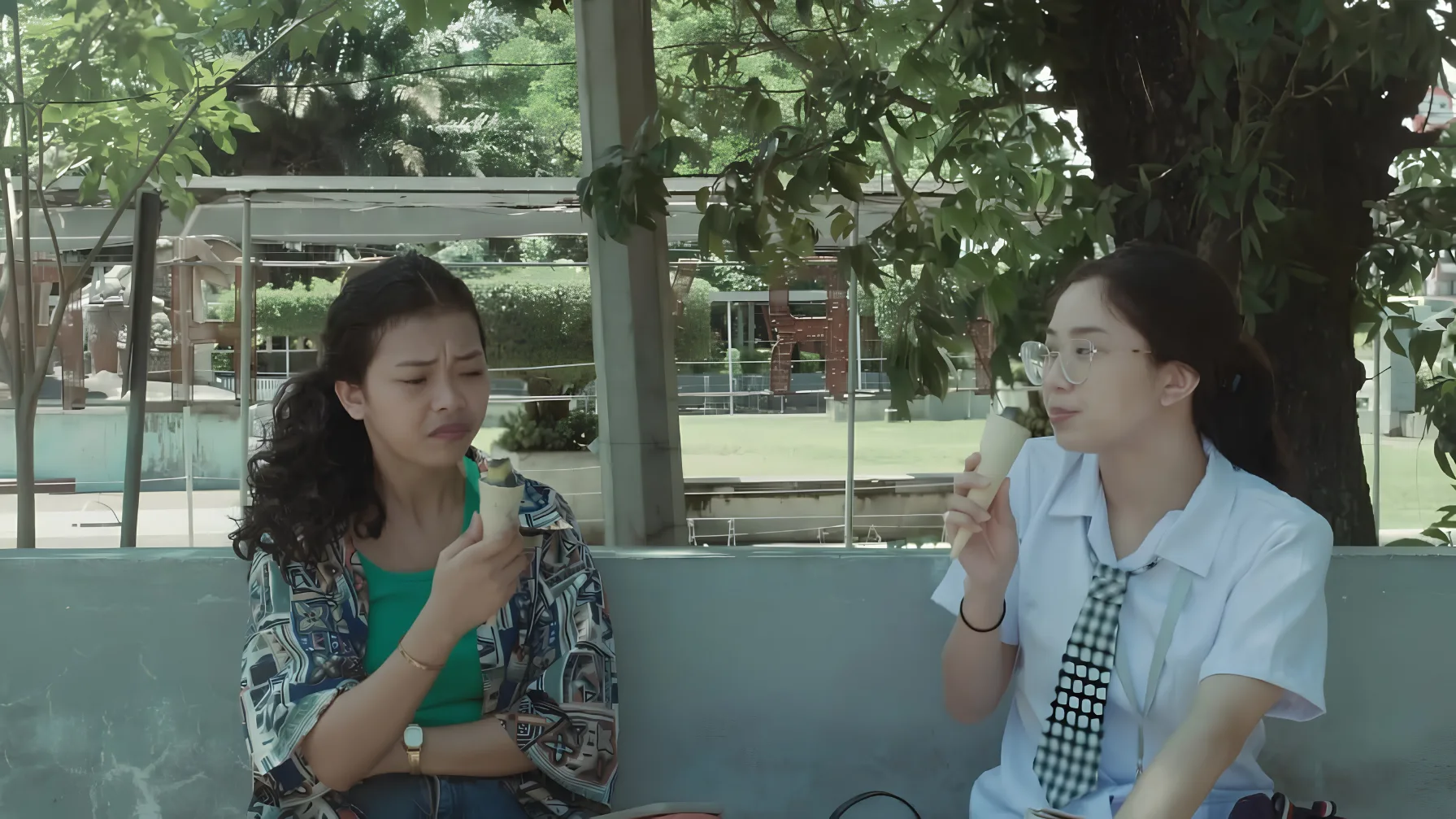
The film revolves around Sandy, a college student and her childhood friend Michelle, who will soon be leaving for America. While Michelle prepares to begin another chapter of her life, Sandy is left dealing with her own academic struggles and the growing anxiety of knowing that their friendship is about to change. There is no huge dramatic event driving the story. Instead, Sandy is built around the ordinary moments that gradually become more meaningful because the characters know they are running out of time.
That approach works for the most part, but it also exposes the film’s biggest weakness.
I felt that the impending farewell deserved more significance in the film as well. The premise sets up an emotional conflict for Sandy, but the film fails to use it. There are moments when you get the impression that the connection between Sandy and Michelle is about to be tested or that something significant is about to happen, but the film abruptly shifts into another flat, silent sequence between the two. Such mellow scenes aren’t necessarily bad in themselves, but there are just too many of them, which makes the pace of the film at times feel overall bland which makes the film sometimes feels like it is circling an emotional climax rather than building toward it.
But the reason why Sandy remains engaging most of the time is thanks to the actesses portraying these characters—Christabel Erica Nicolas and Agatha Libera.
The chemistry between them is definitely the best thing about the movie. Nicolas and Libera bring Sandy and Michelle into something real: not just two people written to be friends, but rather two people who have bonded through thick and thin for years. The dialogue between them flows naturally, and so do the quiet pauses. There’s something very easy about the way the two of them enjoy just hanging out together.
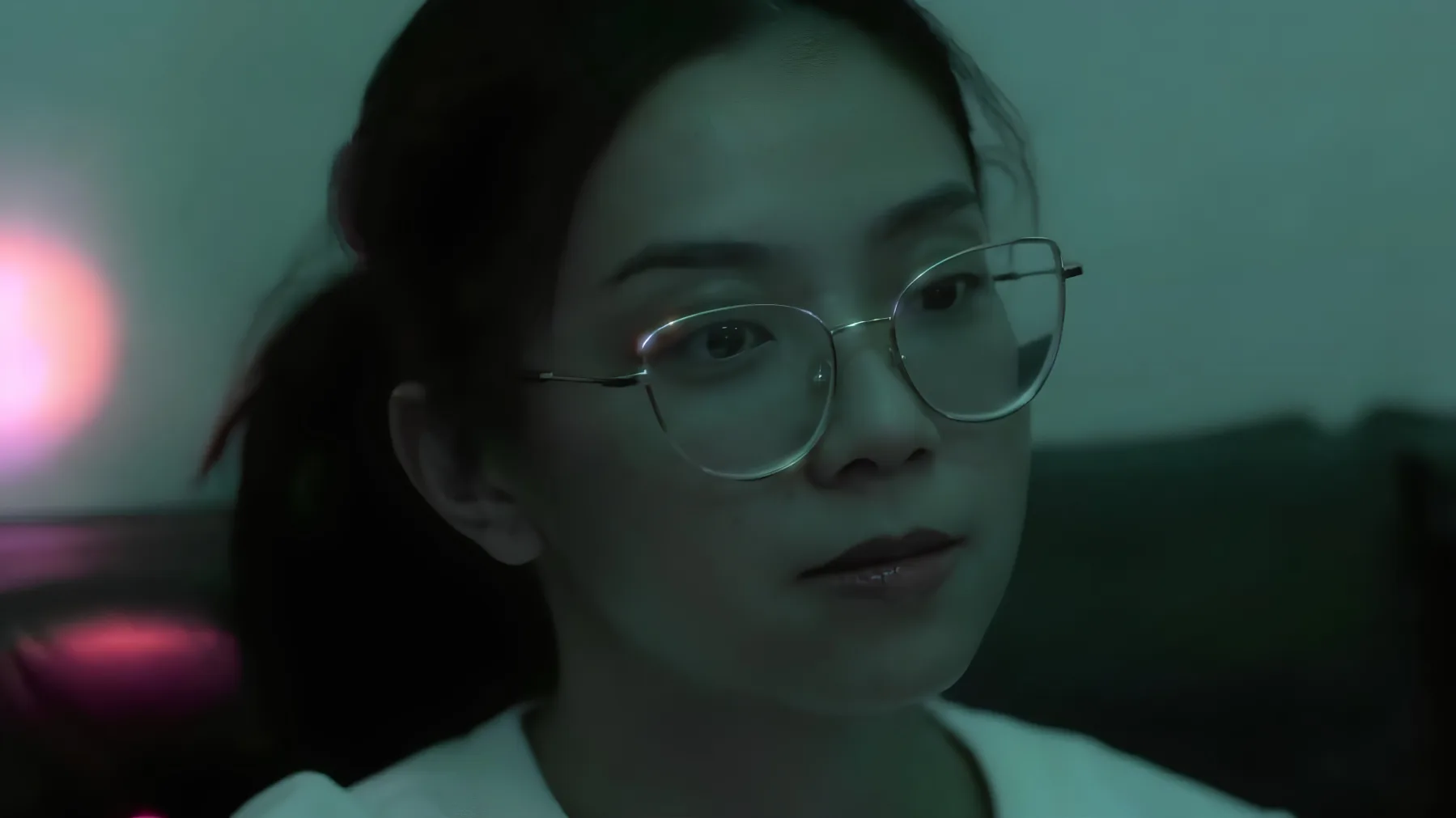
It was particularly satisfying to note that the film does not try to make their relationship a cliché of romantic entanglement. There are hints throughout the story—like the subtle indications in the way Sandy looks at Michelle—her jealousy towards Michelle’s boyfriend when she becomes their third wheel—the sudden disappointments when she thinks about Michelle leaving—that might make you think that this is a girl’s love romance movie. But the film provides some leeway for the viewers to draw their own conclusions regarding these sentiments.
I just love how Neo Bryce didn’t tackle the story to be more romantic and instead focuses more on the sisterhood bond of his characters which makes it heartbreaking knowing that Sandy has a lot more to say. Whether her emotions stem from love, friendship, or just the mixed emotions of losing someone whom you have been with for so long, the important thing is that she never gets the opportunity to say all she needs to say. The sadness in the situation is not really that Michelle is going away. It is that life is passing her by while she is not yet ready to join it.
The hardest goodbye is not always because the friendship ends. It happens when life changes and the people who mean everything to you cannot stay at the same place anymore.
Moreover, Bryce’s filmmaking provides Sandy with a unique identity of the region. Another unique aspect of this film, as well as of his short films, is the documentary nature of it. Bryce never separates himself from the world he is filming. No matter whether he is present in his film as an actor along with his characters, or he acts as the interviewer behind the camera—it’s unique to see that he is a part of the setting rather than just observing it.
It makes Sandy seem a little less refined in the traditional sense, but also more authentic. The film often feels as though we are being allowed into the characters’ everyday lives instead of viewing them through a fabricated cinematic interpretation of their lives. As a Cebuano myself, I found the perspective to be rather refreshing. Even though the film is set in the regions of Mindanao, there is comfort and familiarity with how the characters are portrayed in terms of the way they speak, interact, and go about their daily lives. There is comfort in knowing that there are films from the regions that do not need to elaborate on their own culture or overstate it.
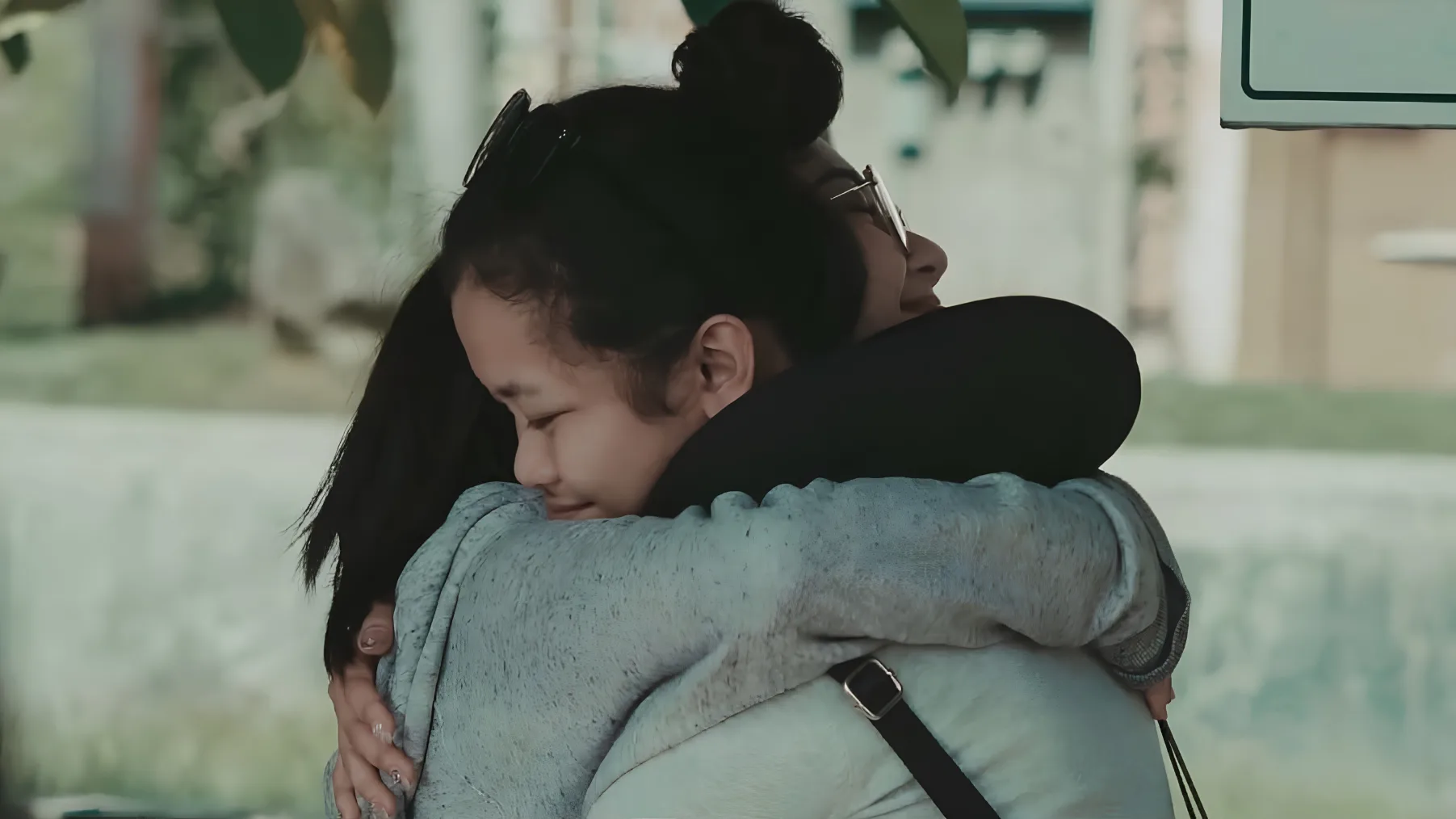
Sandy is not a perfect movie. At times, it moves at a slow pace, and there seems to be a lack of dramatic tension as well as a feeling of an impending farewell. There were certain instances where I felt like the film should have pushed its characters more instead of being too quiet. However, there is also something admirable in its restraint. Sandy never attempts to pull our heartstrings or to create melodrama around the lives of its characters. Its emotional impact comes from the simple truth that childhood friendships eventually have to confront adulthood—people leave—circumstances change—and sometimes the person you have grown up with becomes a memory before you are ready to let them become one.
While the film does not totally succeed in transforming its idea into a consistently engaging story, Neo Bryce succeeds in making a personal and regional piece that, when it finally comes to Sandy and Michelle saying their final goodbyes to each other, the sense of sadness arises not in what transpires but in what is left unspoken.
Sandy is the proof why festivals like Binisaya matter.
There is usually this perception about regional films being a kind of underlooked among the mainstream films in the Philippines, as if these regional films have to prove their worthiness in order to compete against the mainstream before gaining recognition. Binisaya and other regional film festivals like Ngilngig and Nabifilmex prove that this perception should no longer continue—that it is not necessary for a film to have all the glitz and glamour in order to have a message worth sharing and be proud of.
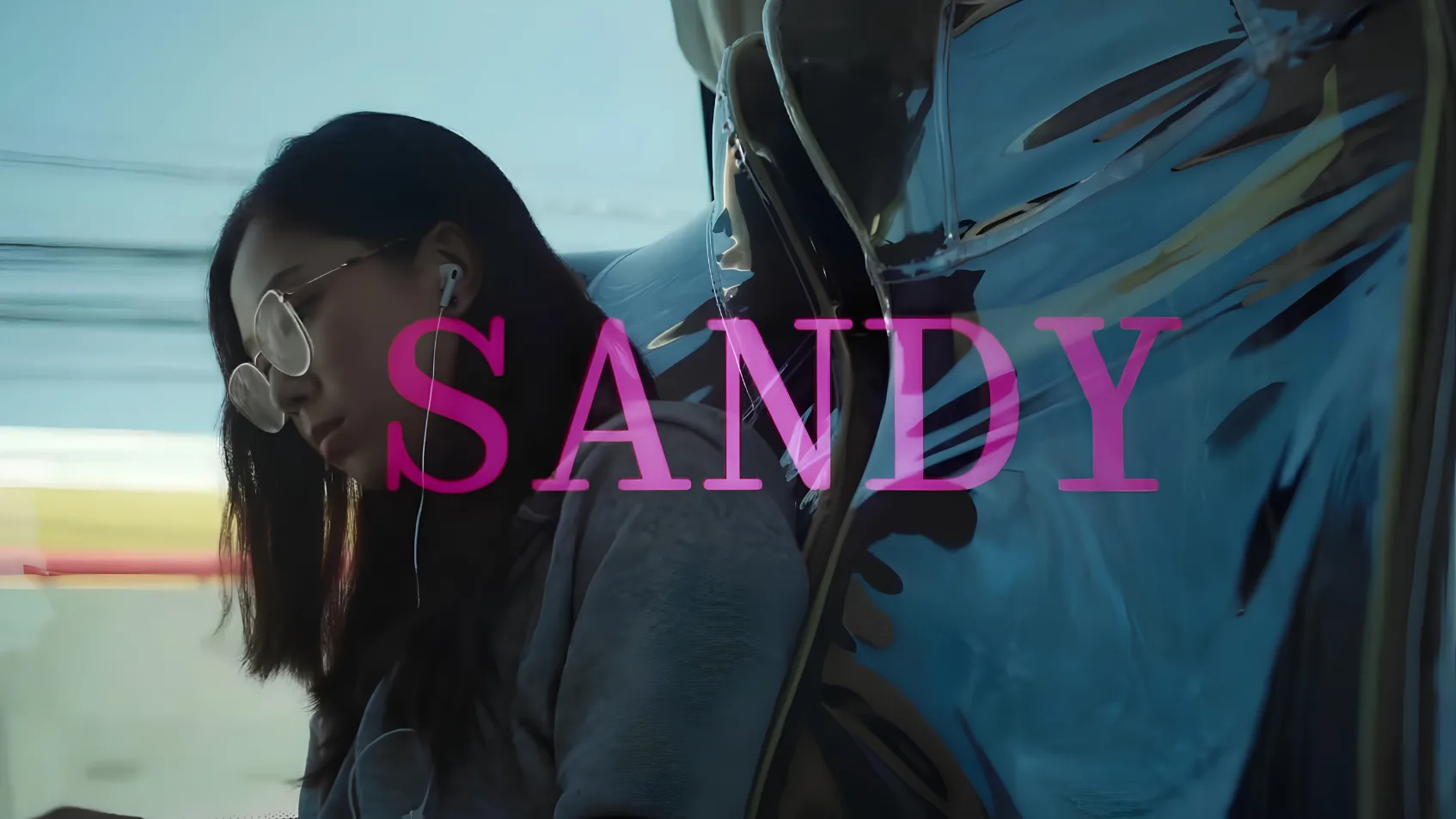
Sandy is written and directed by Neo Bryce. The film stars Christabel Erica Nicolas, Agatha Libera, Majoy P. Cabili, Christine Grace Ruta, Jheigndrey Alfonso, Rhona Dacanay, and more. Binisaya International Film Festival will return next year for its 17th edition.
Thank you for reading. If you liked this Sandy review, check out more reviews here at Feature First!