

‘Dear You’ Review: A Love That Transcends Time and Distance
Every letter sent in Dear You is not just a simple letter; they are proof that someone is still thinking about you across thousands of miles and decades of longing.

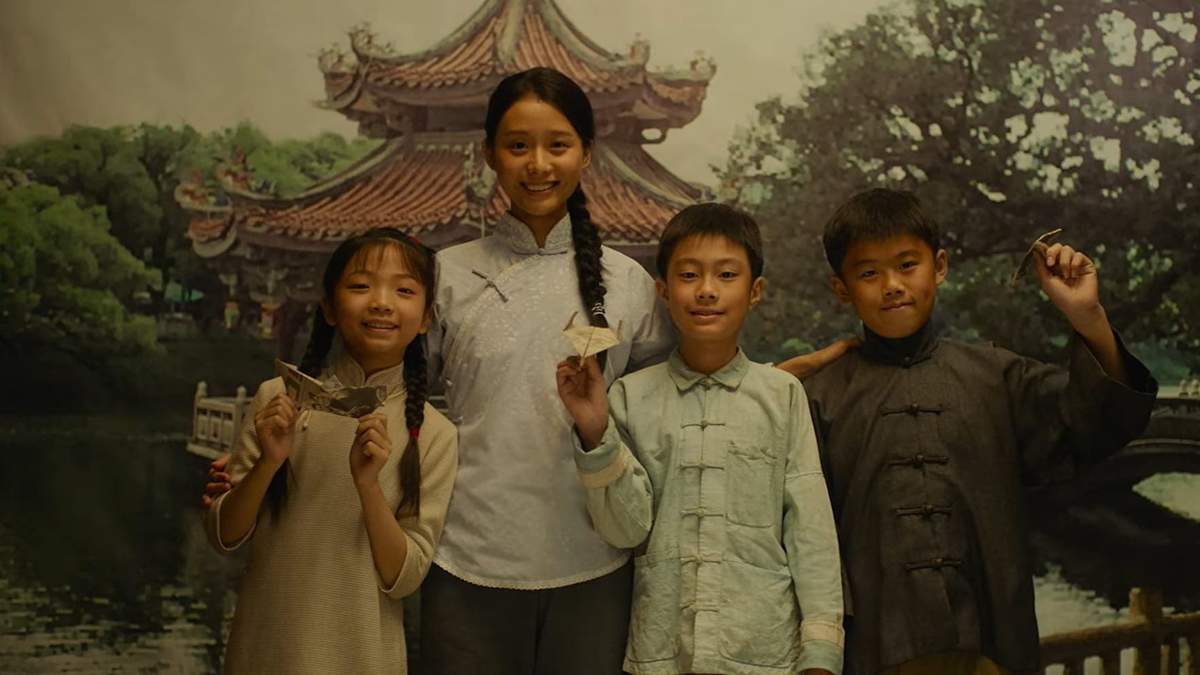
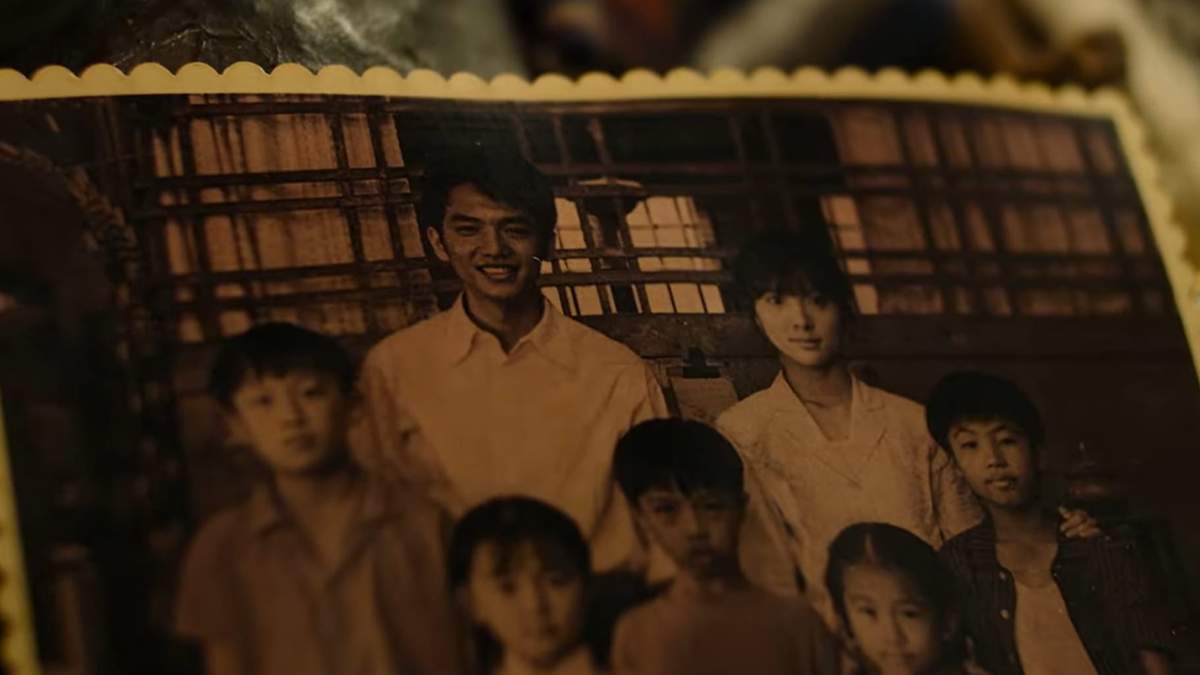
I never thought that Dear You was going to be a completely different movie than I have imagined it would be. Based on the premise alone, I thought everything seemed to be just tailor-made for such a romance-drama story–the husband living separately from his wife for many years, a new place to settle in, a new woman in his life, and sending letters back home that may well contain secrets of the affair.
What surprised me most about Dear You is that the romance I expected is not really the point. The film gradually shifts its focus away from the man and toward two women whose lives become connected in a way neither of them could have expected. What begins as a story that looks like an affair slowly turns into a story about sisterhood, sacrifice, and the kind of love that can survive years of separation—and that completely broke me.
The relationship between Zheng Musheng’s wife, Ye Shurou, and Xie Nanzhi is easily the best part of the film. They are two women living very different lives, in different countries, with no reason to ever cross paths. Yet Musheng becomes the connection between them, and eventually Nanzhi makes a decision that changes everything. Instead of simply becoming “the other woman,” she becomes someone who quietly protects Shurou’s connection to the man she loves.
Nanzhi could have been written as the obvious villain. The whole setup practically invites that. Instead, the film gives her something much more complicated. Her relationship with Musheng is not reduced to a forbidden romance. There is affection there, but it eventually becomes clear that her feelings are tied to something much bigger than wanting him for herself.
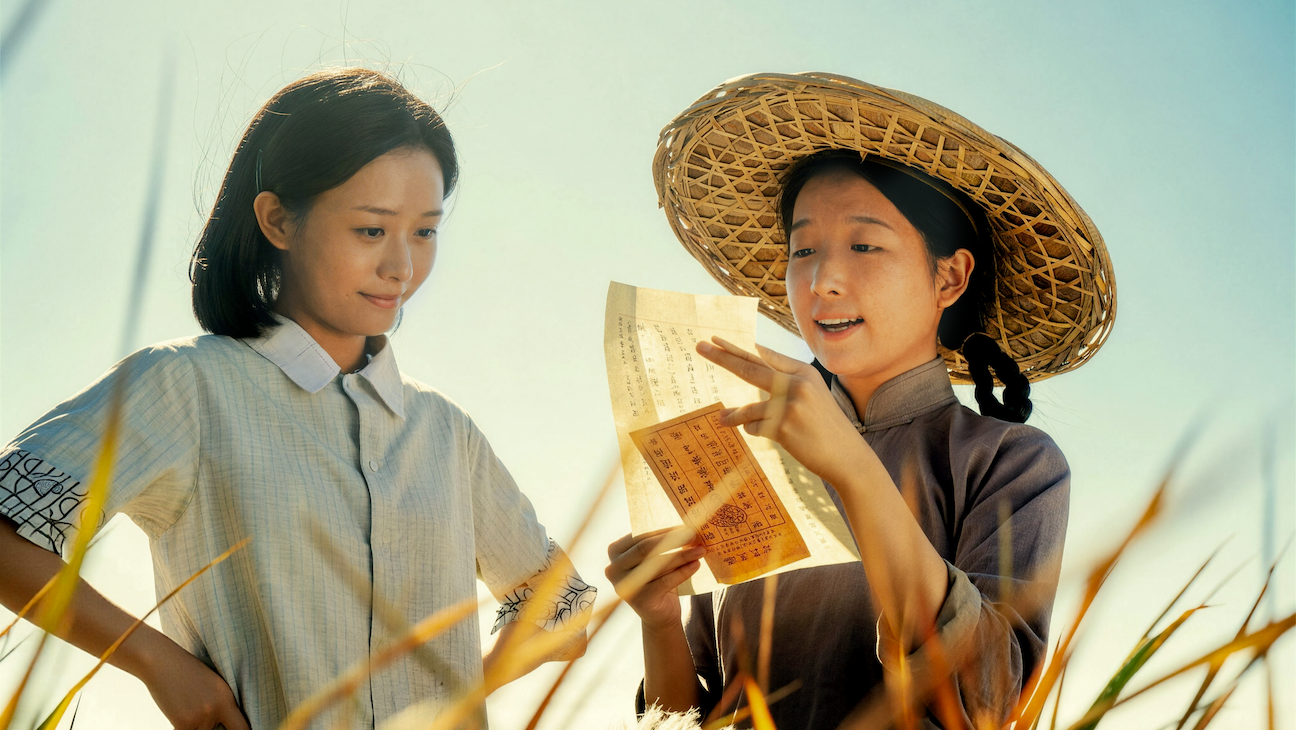
And by the time the truth started to unfold and became clear, I was no longer interested in whether Musheng might have another woman. That stopped being the important question. I became much more interested in what these two women had given each other without even fully realizing it.
I found that much more moving than a conventional love triangle.
The idea that these two women could develop a bond without even being together in the same place for most of the story is what made Dear You work for me. Their relationship is built through letters, memories, and acts of kindness. They become sisters without really having the chance to be sisters—which hit me harder than I expected.
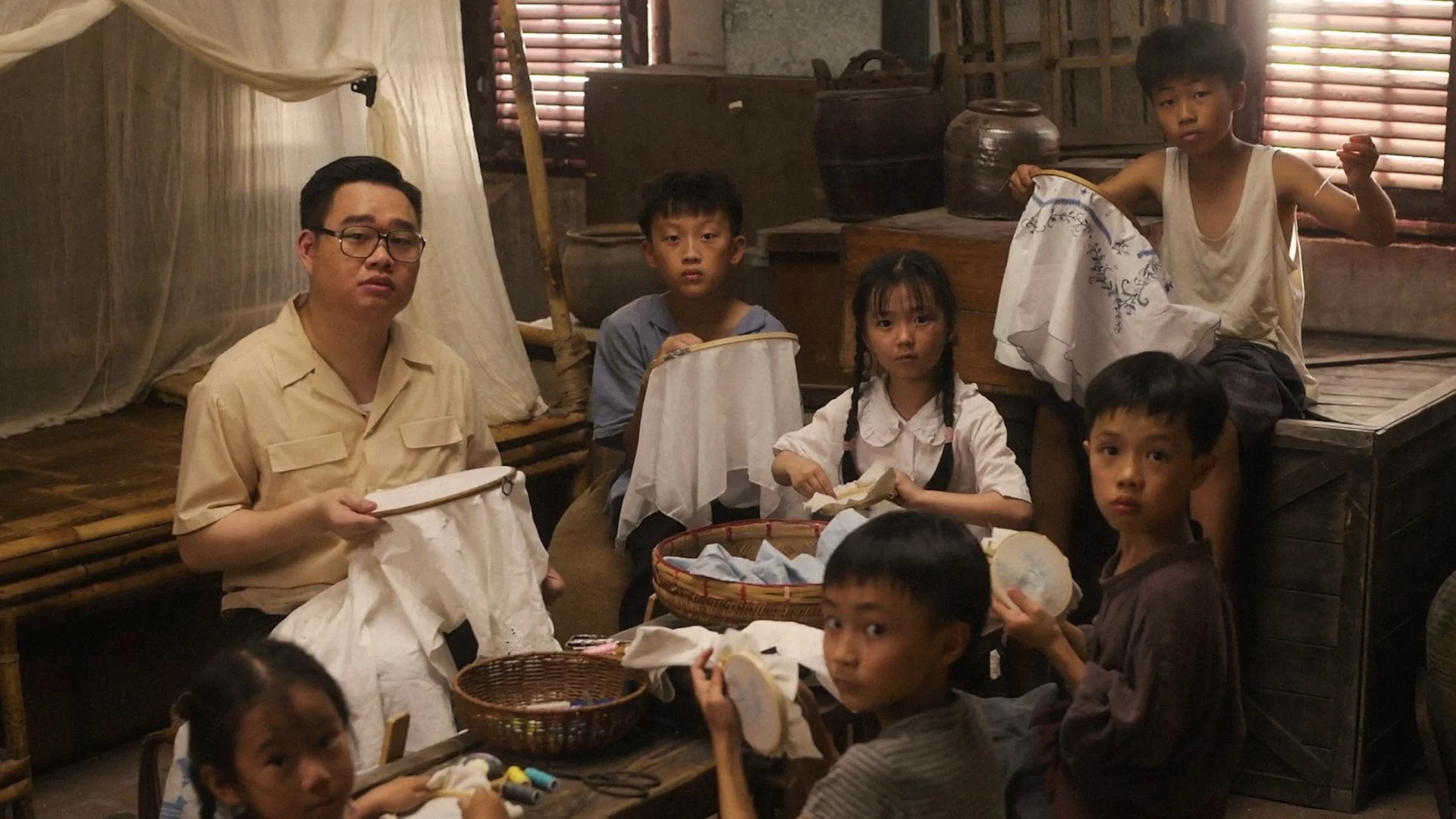
Another part of the story that gave Dear You another layer is its treatment of Musheng and Nanzhi’s relationship becoming more meaningful when you understand what they were going through at the time. Their lives were shaped by a system that made it difficult, and at times illegal, for Chinese communities in Thailand to maintain their language and education. Musheng himself is illiterate, while Nanzhi also grows up without the opportunity to properly learn to read and write. The two are forced to rely on others to read and compose letters, which makes their struggle with communication feel inseparable from the discrimination and restrictions surrounding their community. The film depicts Musheng and others establishing an informal school where Chinese children can learn Mandarin despite the restrictions of the period.
It is not simply about people being separated from one another. It is also about people being denied the basic ability to communicate with their own families and preserve their own language.
And I loved that the movie connects education with freedom.
Musheng and Nanzhi are both victims of a system that limited their access to literacy, yet they refuse to let that limitation define the next generation. The little school they help create becomes much more than a place to teach children how to read and write. It becomes a way of keeping a culture alive.
There is something incredibly moving about watching Nanzhi, who was denied an education herself, eventually become part of something that gives children the opportunity she never had.
That makes her story with Musheng even more heartbreaking. They are not simply two migrants trying to survive in Thailand. They are people trying to build some kind of dignity in a society that has made it difficult for their community to preserve its language and identity.
And this is where the film hit me personally as a Filipino. Musheng’s life in Thailand reminded me so much of the experience of OFWs. The circumstances are obviously different, but the emotional reality felt familiar. He leaves home because he needs to make a living somewhere else. He struggles with work. He sends money back to his family. He lives with the loneliness of being separated from the people he loves because he believes that enduring it is necessary for them.
That is something Filipinos understand instinctively. We have millions of stories about people leaving their families to work abroad. Fathers missing birthdays. Mothers raising children through video calls. Husbands and wives spending years apart. People working exhausting jobs in unfamiliar places because the money they earn abroad can change the lives of the people waiting at home.
That is why the qiaopi letters affected me so much. They reminded me of the way OFWs communicate with their families today, even though the technology has changed. The letter, the remittance, the message—they all carry the same basic idea:
“I am far away, but I am still thinking about you“
The money is never just money. It is love—it is responsibility—it is sacrifice.
That is what Dear You understands so well.
Musheng’s struggle also makes his relationship with Nanzhi more interesting. She does not simply see him as another man. She sees him as another person trying to survive. They come from the same displaced community and understand what it means to be outsiders trying to make a life somewhere else.
And that shared experience eventually creates something much deeper than romance. The movie’s biggest achievement is that it understands love does not always have to be romantic. Nanzhi does not need Musheng to belong to her. She does not need to replace Shurou—instead, she becomes part of the family from a distance. She gives Shurou something she desperately needs and asks for nothing in return.

Two women who have never really had the chance to know each other become connected through a man, but eventually their relationship becomes bigger than that man. Their sisterhood exists because both understand sacrifice. Both know what it means to wait. Both know what it means to lose something and keep going anyway.
It is such a simple idea, but the film makes it incredibly heartfelt yet painful.
I also love that it treats the letters as more than just a plot device. The qiaopi become a physical representation of everything these characters cannot say to one another. They carry money, memories, affection, and sometimes lies that are told out of kindness. Historically, overseas Chinese workers often relied on third-party letter writers because many were illiterate, meaning messages could pass through several people before reaching their families. Dear You turns that complicated communication system into the emotional foundation of its story.
That makes every letter feel heavier; Every missing letter matters; And Every misunderstanding hurts.
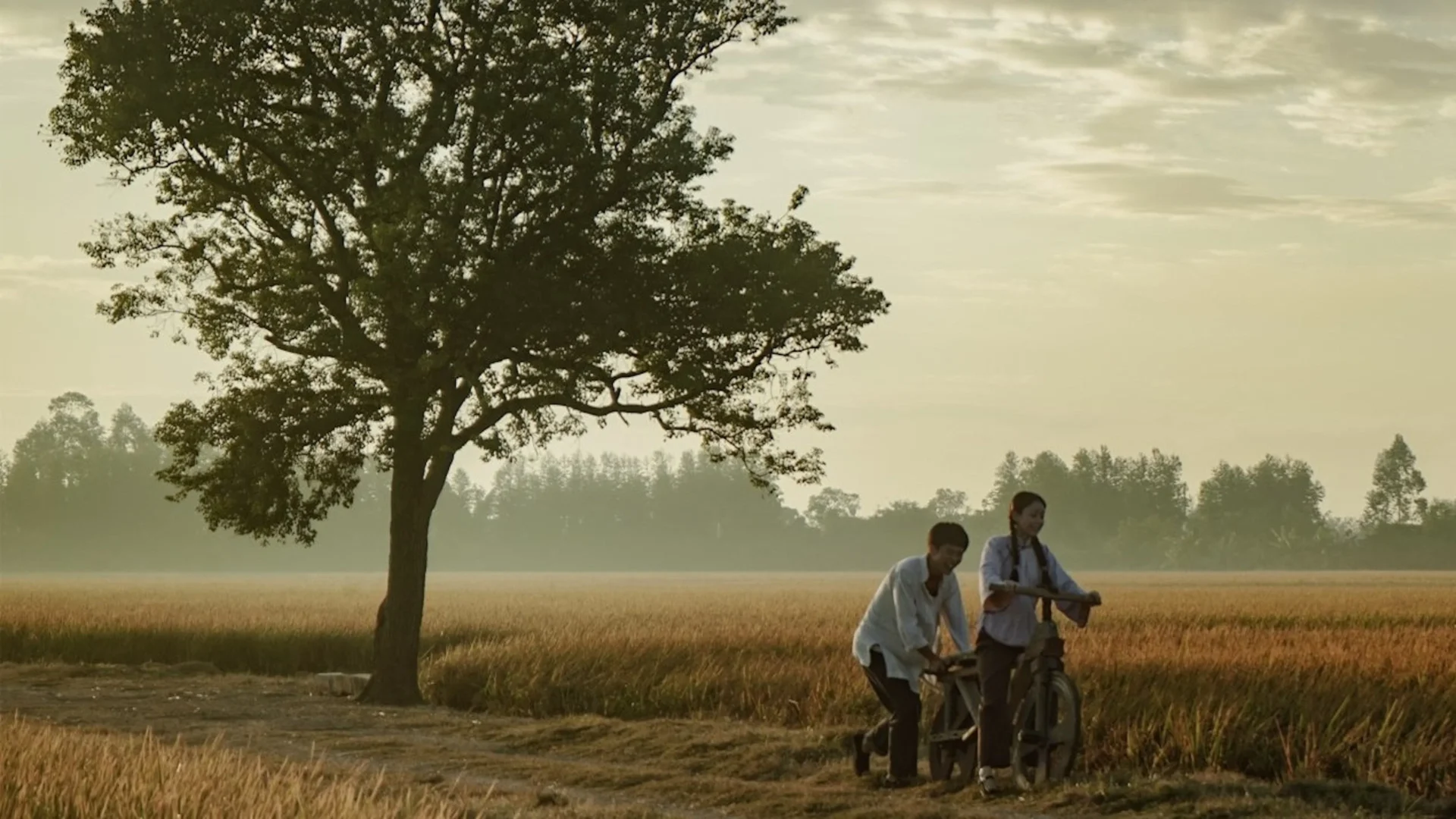
Dear You is written and directed by Lan Hongchun. The film stars Li Sitong, Wang Yantong, Wu Shaoqing, Zheng Runqi, Wang Xiaohui, Zhao Shuguang, Li Deru, Li Shuhao, and Usha Seamkhum.
Thank you for reading, if you liked this Dear You review, check out more reviews here at Feature First!