
‘House of the Dragon’ Season 3 Review: A Lesson in Incompetence
There’s a world somewhere in which House of the Dragon actually is about the tragic and self-inflicted destruction of a dynasty’s mandate. This isn’t that.

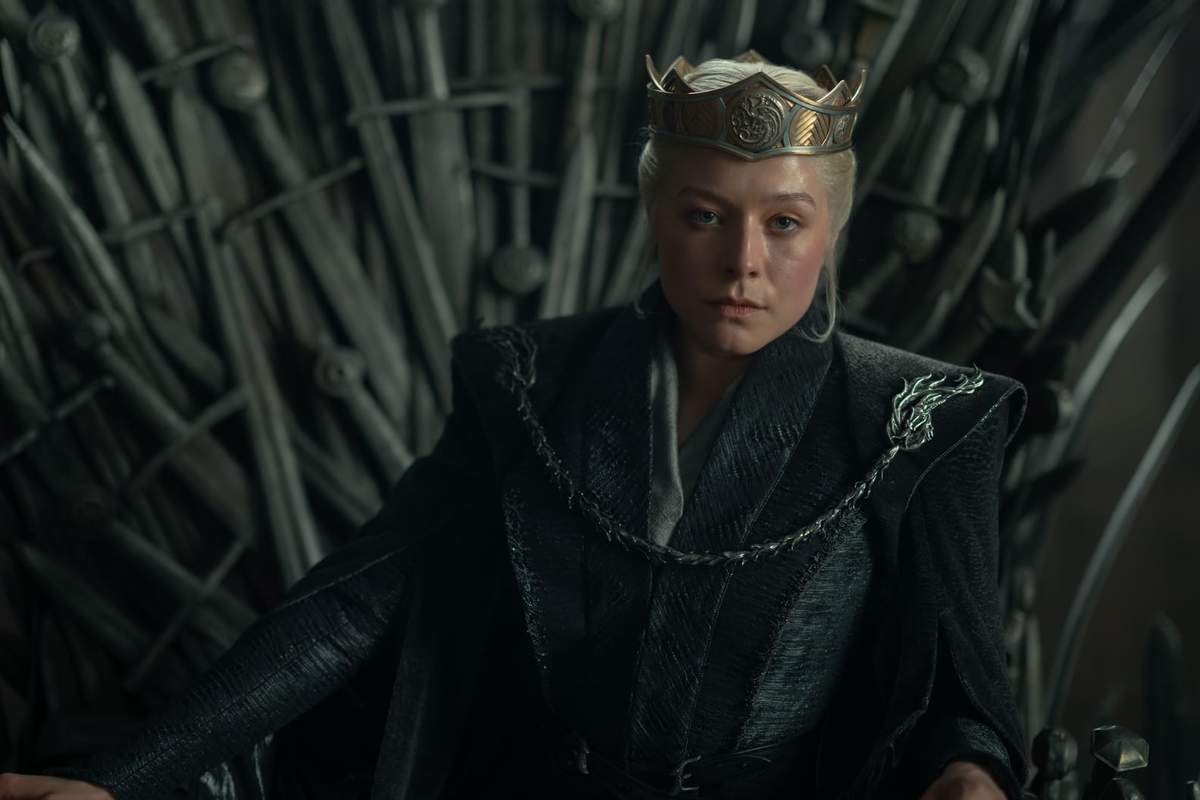
House of the Dragon season three came to an end Sunday night, and with it the start of another expected two year break from the Dance of the Dragons.
Sunday’s season finale showcased, among other things, the long-anticipated Battle of Tumbleton and had its fair share of dragons and drama, but, much like most of this season following its second episode, sort of fumbled and bumbled its way to a conclusion.
So, cutting to the chase, was season three good or bad?
Well, somewhere in between. It can’t be said that House of the Dragon season three is all bad. That there’s nothing good to come from it. There’s plenty that was entertaining, and in fact, there’s plenty that fits strongly into the Thrones universe. There were fantastic performances across the board. The set pieces were explosive and chaotic as well as some genuinely moving, well-done pieces of character work. But, over the course of an eight episode season, searching for these moments came to feel like a slog. What was there was, unfortunately, few and far between.
To preface this, I’m not a book purist. In fact, I’m largely in favor of changing things to fit the screen. In the case of House of the Dragon, I think it’s important to talk about what we’re talking about. Fire & Blood, because of its lack of a traditional novelized structure, was going to require some work as an adaptation. For those unfamiliar, F&B is an in-universe oral history which covers the first seven kings in the Targaryen dynasty, following Aegon the Conqueror’s campaign (being adapted to film as Aegon’s Conquest). The Dance of the Dragons, House of the Dragon’s conflict, is covered here. But it’s important to understand that this book is largely structured as this event happens then that event happens and so on and so forth.
Adaptations come with certain guarantees. Changes, omissions, additions; all of these are natural byproducts of tens of thousands of words in a book being condensed to a script. The difference here, which after three outings has become staggeringly clear, is the core flaw in Ryan Condal’s approach: he either doesn’t understand or doesn’t care enough about the source material. Unfortunately for him, those earlier byproducts require, at the very least, a basic understanding of the source material. Perhaps Condal would have been better served by having a traditional novel to adapt. We’ll never know. But Fire & Blood, while a fairly straightforward telling of events, sans traditional dialogue, appears to have been too much.
Not only does it appear that there is a fundamental misunderstanding of the source material but it has reached the point where the writing team has developed a fundamental misunderstanding of the characters and plots they have sought to create in place of the source material.
This isn’t meant to function as a lament of purity, or lack-thereof. But when you have that in one hand, and the choices made in the place of faithfulness in the other, you have created something that is largely just ineffective and forgettable television.
The core of the issue is rather simple: House of the Dragon is almost wholly absent of any real nuance. It doesn’t ask the audience to draw any conclusions, much less form any opinions, on their own.
The Battle of the Gullet, for example, is an entertaining affair with consequence but no real drama. There’s no catharsis or excitement when a villain meets their end because we don’t really know who these people are. When a hero meets their end as a result of another accident, it’s hard not to roll your eyes.
The most damning recurrence this show has suffered from is incompetence.
Incompetence in the script has resulted in incompetence in-universe. When a show writes characters best, you don’t always expect characters to make the right decision, but you can justify those decisions or, at the very least, understand them. You don’t always know where a plot is going, but there is trust that it will find a resolution.
Not here.
In this show, nobody is good at anything. Rhaenyra Targaryen spends her reign often flummoxed. Her small council could be replaced by bobbleheads and no measurable difference would be noticed. Alicent Hightower cannot figure out how to get out of a city she’s lived in for decades. Daemon Targaryen can’t lie effectively. These are the people in charge of a continent and they cannot seem to operate on basic logic.
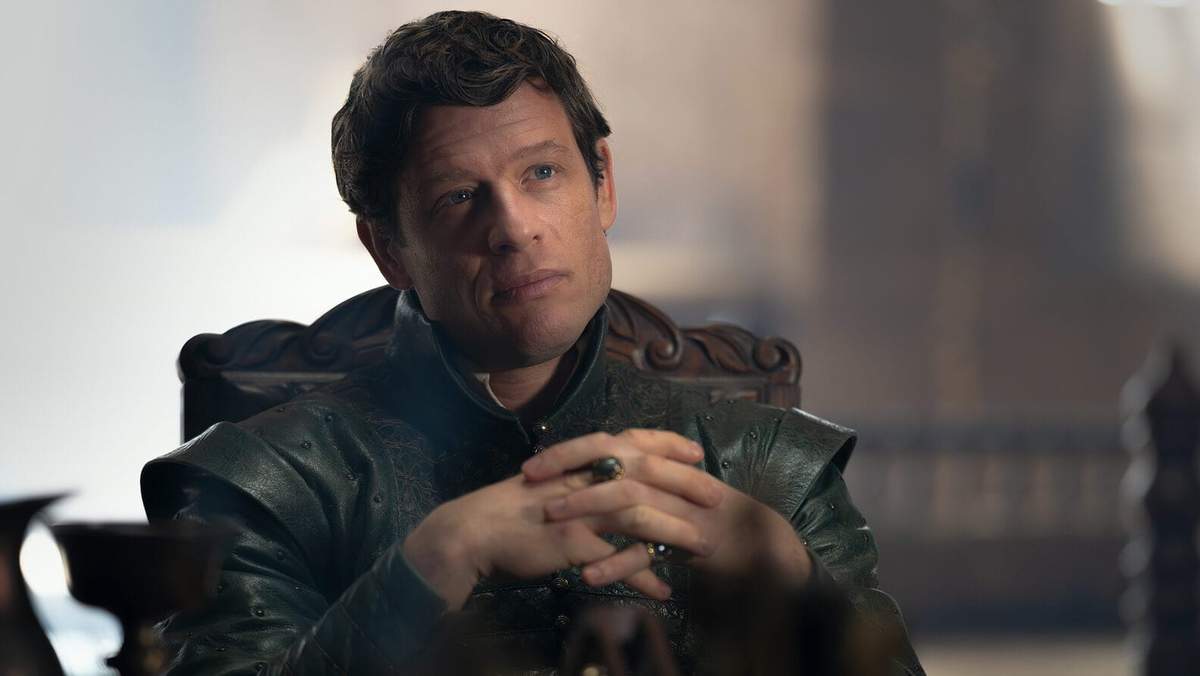
What is repeatedly confounding, though, is that there are signs of strength in the writing. Emma D’Arcy and Tom Glynn-Carney are magnificent when they are given something to do. Fabien Frankel in his swan song episodes is at his best. Many of the characters with new or expanded roles shine. James Norton’s Ormund Hightower, Benjamin Evan Ainsworth’s Daeron Targaryen make their entrance and offer up some of the better moments of the season. Cyvasse makes an appearance! Freddie Fox, Abubakar Salim, and Phoebe Campbell, in their fleeting moments on screen, offer up moving performances.
It cannot be said that this cast has not largely delivered. They are carrying this show on their shoulders week in and week out.
There’s a world somewhere in which House of the Dragon actually is about the tragic and self-inflicted destruction of a dynasty’s mandate. A story rooted in the futility of hubris and the absurdity of pride.
What we have, though, three seasons on, is a collection of characters who dislike each other for reasons that are generally unclear and rifts between them that seem manufactured rather than organic. Their fates are sewn because we are pushing toward a conclusion rather than what would be natural consequences of their actions. Their relationships are defined by what is a fundamental misunderstanding of who they are instead of the writing room substantiating anything beyond the frankly contrived disdain of Alicent Hightower and the Greens and co. toward Rhaenyra Targaryen and the rippling effects. But in the end, the show cannot even commit to that feud.
Perhaps the most frustrating moments are episodes that are strong for the vast majority of their runtime but end up clouded by outright silliness from the script. In episode five, “Unbowed and Unbent,” we see an all-around satisfying episode until Tyland Lannister returns from the dead like an Avenger making his cameo in another character’s film. This, of course, comes after an affecting scene where Larys Strong castigates Aegon Targaryen. Whatever Tyland’s place in the story from here on, it’s tainted by the fact that he’s even alive, much less conveniently at the location where his King is. Or, in episode six, “Faceless Men,” where another compelling episode is somewhat undone by the egregious decision by Queen Rhaenyra to send Alicent Hightower to kill her own son. That same son, Aemond has spent his time this season at Harrenhal doing… something.
Even glossing past specific moments, it’s often a challenge to take any of these people or their stories seriously. Rhaenyra’s actions in general, but specifically her descent into the beginnings of some sort of paranoia feels unnatural. Alicent offering up the heads of 50% of her children for her own safety, and that number is probably movable, is ridiculous. Aemond brooding around Harrenhal reenacting Daemon’s no-good very-bad day is a slog and feels painfully disjointed from anything going on elsewhere.
These moments and these characters are not moving. These moments don’t possess the same shock and awe that Game of Thrones had in its early years.
But, this is a different story with a different scope. One could argue it’s unfair to compare Dragon with Thrones constantly. They are different source materials and stories that are fundamentally different across the board. Even lacking comparison, one thing the audience should not have to concede, though, is a basic expectation of consistency. And unfortunately, the third season of Dragon was unable to escape the inconsistencies that have haunted the show especially since the start of its second.
Where does that leave us?
With one season to go and plenty of the ‘Dance’ still to adapt, showrunner Ryan Condal is saddled with finding a landing spot for the story he has set out to tell. Only he knows what he is going to choose to fit into House of the Dragon’s final outing, presumably in 2028. Whatever choices he makes, one can only hope it comes together in the end.
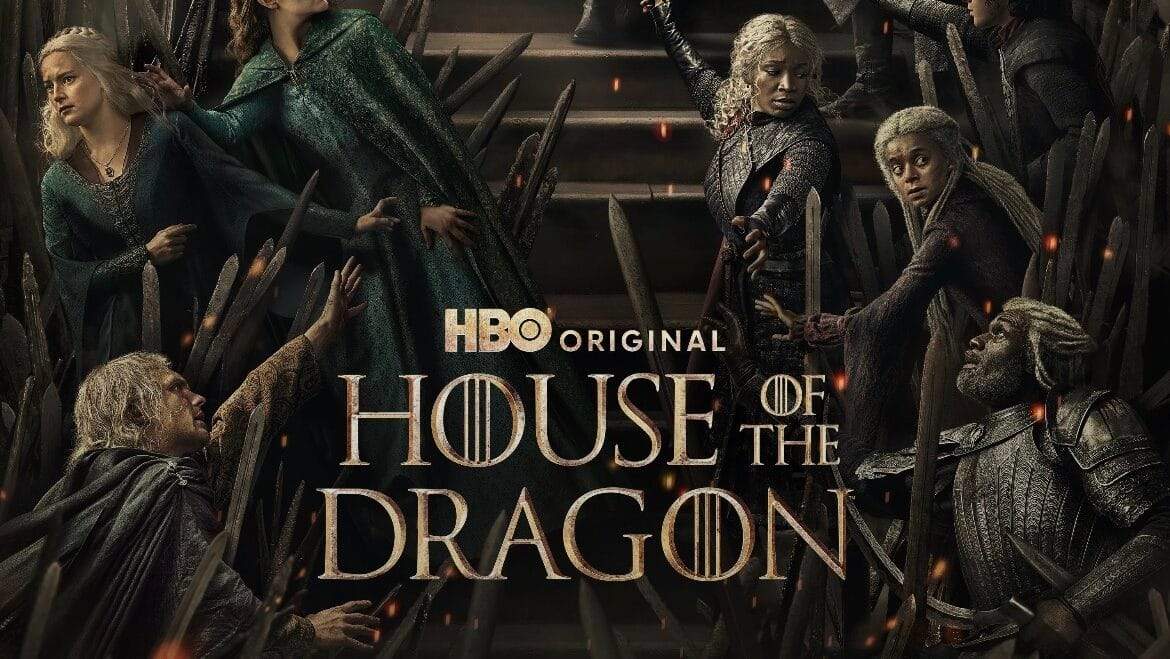
House of the Dragon stars Matt Smith, Emma D’Arcy, Olivia Cooke and Tom Glynn-Carney. All episodes are now streaming on HBO Max.
Thanks for reading this review for season three of House of the Dragon. If you liked this review make sure to check out more here at Feature First.