

‘How to Make a Killing’ Review: Star Power Over Substance
Emily the Criminal writer and director, John Patton Ford, is back with a sometimes slick, dark comedy starring Glen Powell. Read our How to Make a Killing review.

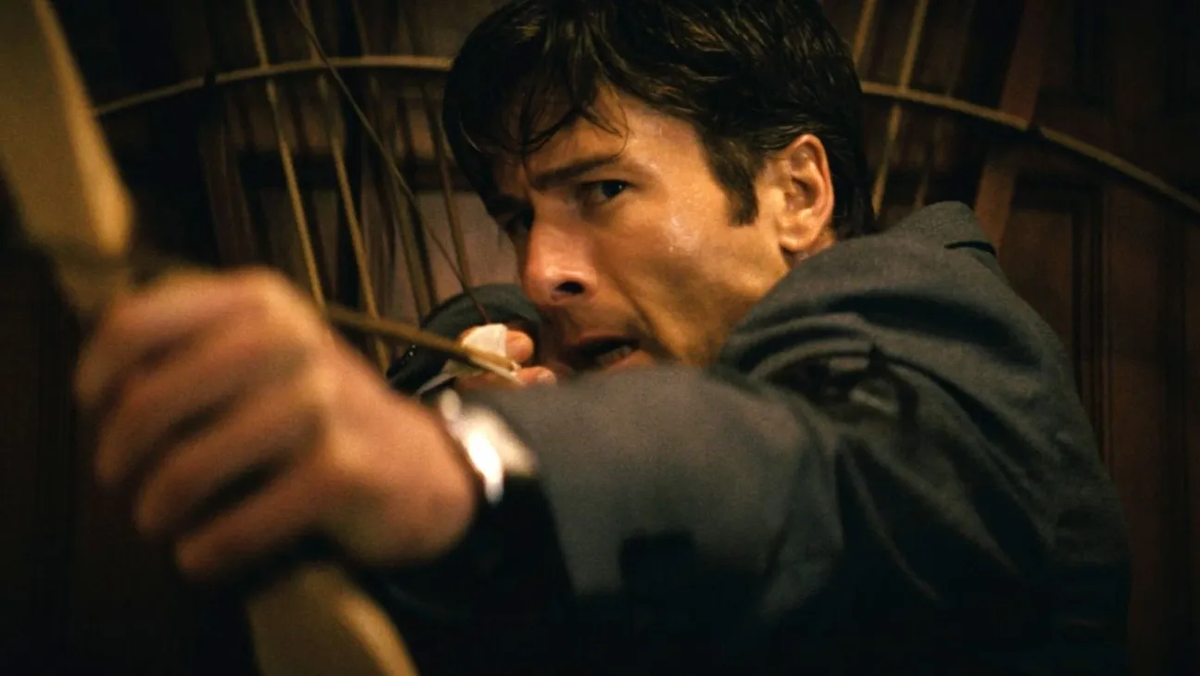
“Eat the rich” movies have never been more popular. Every year we get a new one, such as Parasite, Triangle of Sadness, andSaltburn, but how does How to Make a Killing stack up to the rest? Truthfully, well, but it is not an instant classic like some of the others. The film follows Becket Redfellow (Glen Powell), a blue collar worker whose mother was disowned by her extremely wealthy family. Even though she was kicked out of the family due to Becket, he is still heir to the twenty-eight billion dollar inheritance as soon as the rest of the family is gone. To speed up the process of getting what he believes he is rightfully owed, Becket decides to take matters into his own hands and clip some of the branches off the family tree. Read our full review for How to Make a Killing below.

How to Make a Killing is good because Glen Powell is amazing. He has the ability to make lesser screenplays seem charming or witty, due to the fact that he is so charismatic. Powell is exactly what this film needed. Becket Redfellow could have come off as deeply unlikable, but Powell’s natural charm makes the characters likable despite his wrongdoings. It is the type of skill that reminds me of movie stars of the past like Brad Pitt or George Clooney. Maybe it is too soon to call Glen Powell one of the greatest stars of his time, but his continued track record of being the strongest part of every movie he is in makes the statement stand. Powell is really good at having a little psycho behind the charm, harnessing the same energy as Christian Bale in American Psycho. He treads the line between unstable, perfectly calculated, and charming seamlessly. Yet this is not an instant classic performance. It will not go down in history, but it does serve the film extremely well.
The only problem with the film is that the screenplay is a mixed bag. It does not have the punch it thinks it does. Funny at times, smart in patches, it is not as sharp as it could have been. It does take some twisted turns near the end, but for a good stretch of How to Make a Killing it is more by the books. Since there are so many “eat the rich” films, you have to come out swinging to make your existence warranted. This, like most of Glen Powell’s films, just feels like a vehicle to show his talents rather than a great film in its own right. There are still some other highlights though. This is a beautifully shot film. It looks just as crisp and glossy as it thinks its screenplay is. The supporting actors carry their weight, especially Margaret Qualley, Topher Grace, and for some reason Zach Woods, who is giving the funniest stand out supporting performance. How to Make a Killing has a lot of strengths, but just does not have the bite it needs to.

This film is sadly not as charming as its leading man, but is still a good time in the theater. It is not that it has nothing to say, it just does not say them in a new way. This could be due to the fact that the film is adapted from 1949’s Kind Hearts and Coronets. It feels a little trapped in the past, not saying anything new. There is no fresh take, so the only person who would say this is original is someone who has never seen an “eat the rich” film. I commend the film for its dark ending and commitment to being amoral though, but the content does not warrant the runtime. How to Make a Killing is really just the Glen Powell show and if you are a big fan of his then you should be happy. The film is definitely entertaining and has its moments, so it is definitely a good time in the theater, just not a memorable one.
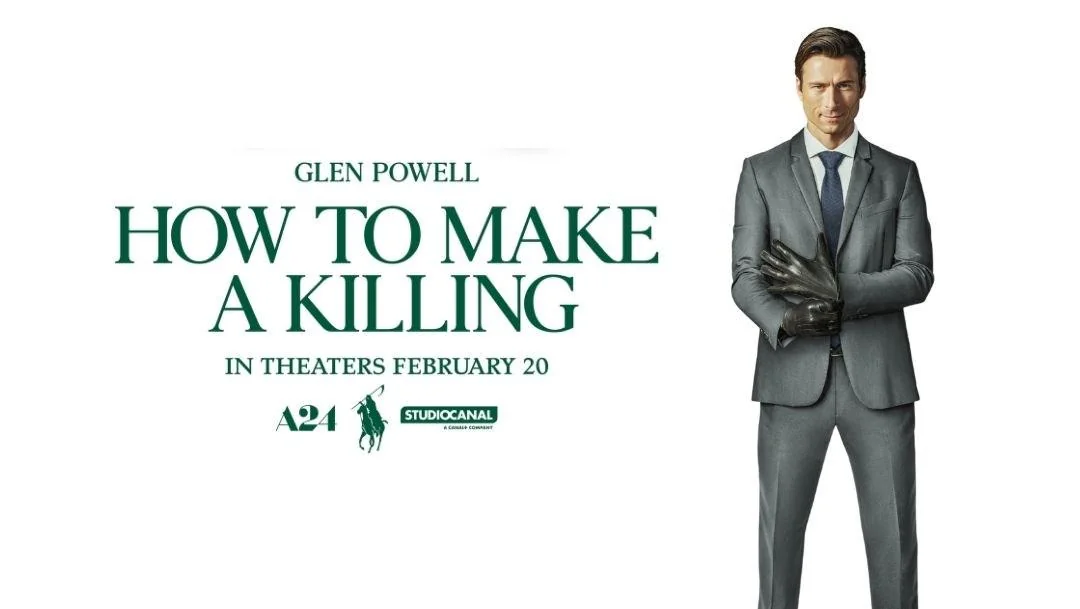
How to Make a Killing was written and directed by John Patton Ford and stars Glen Powell, Margaret Qualley, Jessica Henwick, Ed Harris, Zach Woods, Bill Camp, and Topher Grace. The film was released on February 20.
Thanks for reading this How to Make a Killing review. For more, stay tuned here at Feature First.