
‘Wuthering Heights’ Review: When Reinvention Becomes Erasure
Emerald Fennell’s films always seem to start a swarm of controversy and public discourse, and her adaptation of Emily Brontë’s novel Wuthering Heights has only caused more heated conversation.

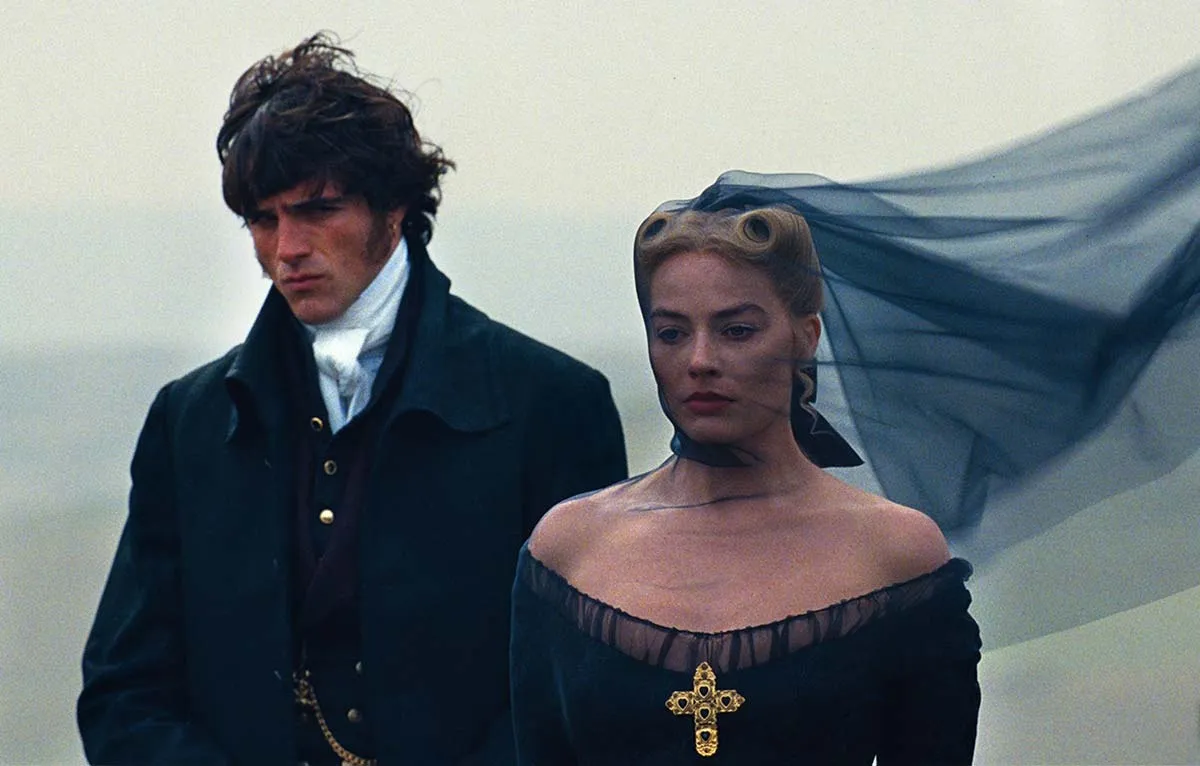
Emerald Fennell’s third feature may be her most controversial yet, but not for the same reasons. Wuthering Heights follows the toxic relationship between Catherine and Heathcliff, from when they were kids to adults. Unable to be together due to class differences, the two are separated. Years later Heathcliff returns as a wealthy man, and the flames from their past are relit even brighter. This adaptation of the famous novel by Emily Brontë is nothing short of confounding and a perfect example of how stunning visuals can only do so much. Read our review for Wuthering Heights below.
This may be the best film with the title Wuthering Heights, a low bar to set but still, yet it is the worst adaptation of the source material to date. Not only because of its historical inaccuracies, but also due to the fact that it has erased so much of what made the book revolutionary for its time. If you have not read the book and are frustrated with the book purists shaming you for liking this film, I plead with you to think about how they are feeling. What they read was a decade-spanning dense, gothic novel about the dark, yet passionate love between Catherine and Heathcliff that acts like a curse destroying everyone and everything in its way. Comparatively, 2026’s Wuthering Heights is shallow and uninteresting, for it seems to not even care to try to dive into the deeper concepts in the book. What disappointed me most on an adaptation standpoint is the fact that this, like every other adaptation, ends after the death of Catherine. The book goes on way longer than this, continuing the story of how Heathcliff was haunted by the ghost of Cathy and how the two’s children eventually fell in love as well just to suffer the same fate.
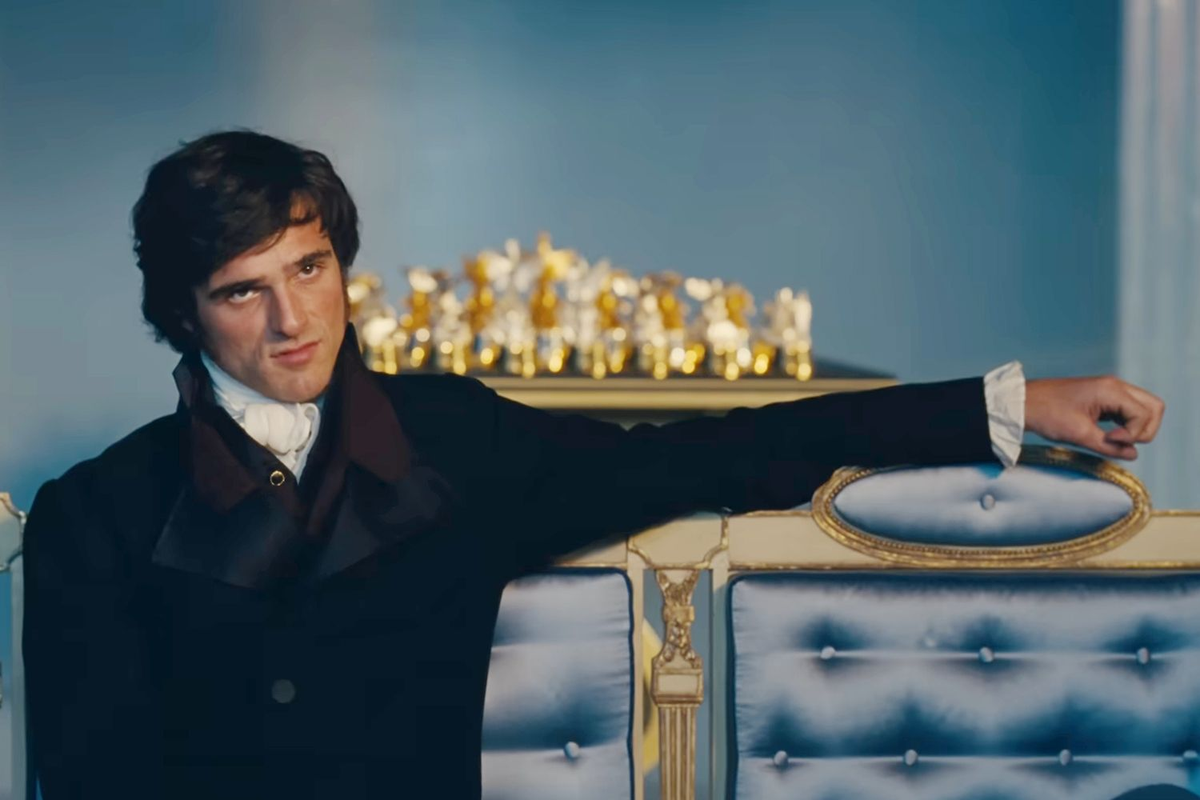
This whole situation really makes you think of what the true goal of adapting should be. Should it be to copy and paste the text down to every detail or to put your own spin on it while also maintaining what made the novel what it was at its core? It might be a case by case scenario, but to me if the integrity of the source material is tampered with something has gone wrong. It is truly baffling to me why they felt the need to title this Wuthering Heights. If this had a different title and some new character names, I do believe that audiences would have enjoyed this more. As someone who has read the book, I was mostly disappointed in how boring Emerald Fennell made this book seem. It is so much more than a doomed romance. Fennell has branded herself for being challenging, freaky, and controversial, yet she ignored so many things from the book that could have added something to the film. Most historians cite Heathcliff as a man of color or of Irish descent, the most resounding theory is that he would have been Indian. This is fundamental in the book and explains why the two can not be together. Ignoring this is most importantly wrong, but also extremely boring. Especially when there are so many options of different actors who could have played Heathcliff. Another aspect that Fennell should have touched on was Catherine haunting Heathcliff. There is so much that she could have done there. All this to say, it’s frustrating. When you read the book, you see how there is so much for a director like Fennell to work with, but her determination to write her own scripts has done her dirty this time around.
Even though I have read the book and think this is a bad adaptation, I did actually have a good time with this. Though it was not as sexual or fun as it promised, it was beautifully shot and kept my attention. I do not think it is completely void of any meaning, when compared to the book it is, but denoting this movie as a film you just turn your brain off to is not giving it enough credit. There are some ideas presented about the relation between death, pain, and love that gave the film an added layer. The main strengths of the film are the visuals and score. The one thing Emerald Fennell has proved she can do is gather a team of people to create a gorgeous film. Another strength is the women in the film, specifically Margot Robbie, Alison Oliver, and Hong Chau. All three are giving complex, interesting performances that kept me invested in their respective arcs. So yes, there is some good, mostly due to the fact that the film is compelling to watch and was a sexy good time.
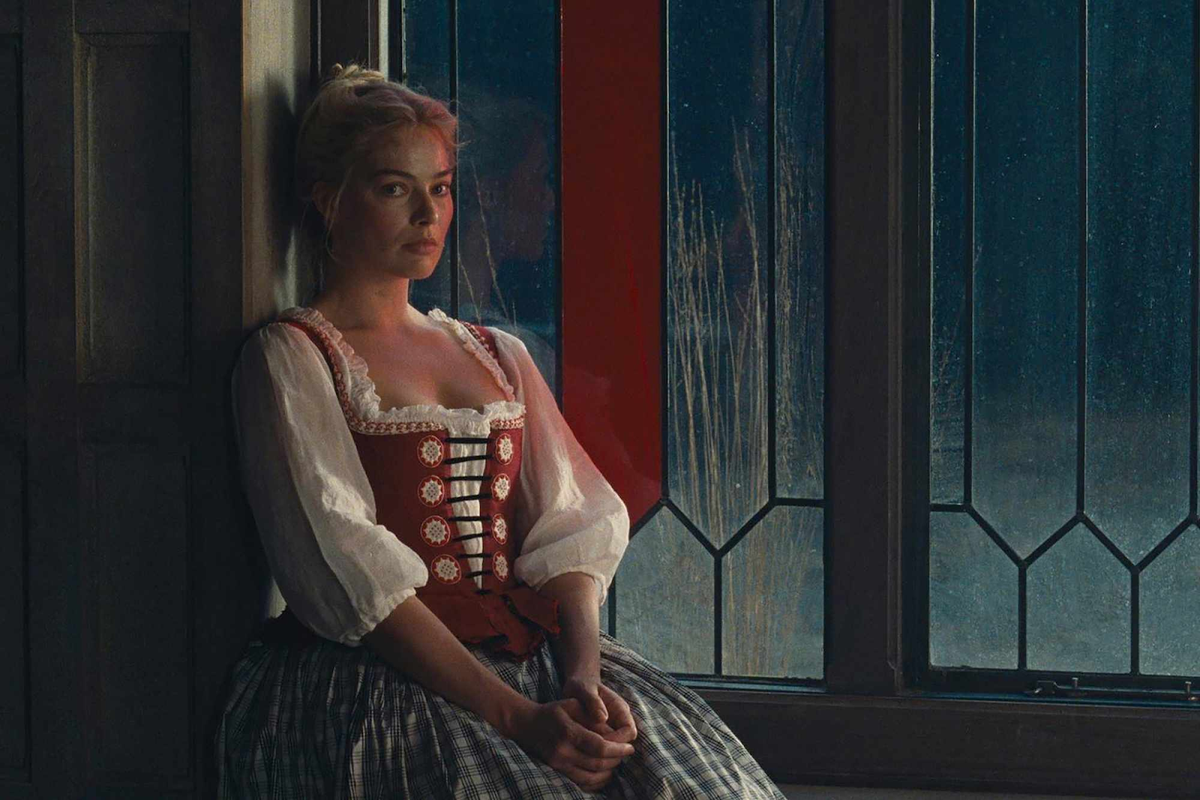
The truth is this movie is not a masterpiece, but it is also not horrible. It is just okay, which makes the uproar around it feel so misplaced. I feel as though I have only seen two reactions to this film. One where someone is giving it a half star, saying it’s the worst movie of all time, and another where someone is calling it the best movie they’ve ever seen. Both are a little ridiculous. In reality this movie is just fine, but everyone feels the need to take a hard stance on it because of all the controversy. To me, no adaptation of Wuthering Heights where a white man is playing Heathcliff will ever be perfect, but if you just watch the movie for what it is, you may enjoy it.
Wuthering Heights is written and directed by Emerald Fennell and stars Margot Robbie, Jacob Elordi, Alison Oliver, Shazad Latif, and Hong Chau. The film was released on February 13.
Thanks for reading this, Wuthering Heights Review. For more, stay tuned here at Feature First.