
‘Pluribus’ Is The Most Fundamentally Misunderstood Show On TV
There’s been a lot of discourse surrounding Pluribus and as the show progresses, it’s become clear that some of the audience fundamentally misunderstands the show.


Every time there’s a massive show on television, it’s natural for there to be a lot of discourse, especially week to week as the show goes on. As the series goes on and on, it has become clear that a subsect (a vocal minority of sorts) of the audience of Pluribus fundamentally misunderstands the show, or rather the nature of the show, in a way that contradicts what the show chooses to showcase every week.
Pluribus is reportedly the most-watched Apple TV series ever, according to the streamer, and so it makes sense there’s a lot of back and forth about the show. What’s fascinating is what the conversation is surrounding. For all the praise the show gets, there’s also a lot of pushback against how the show decides to progress the plot.
A big part of that is the discourse of the latest episode of Pluribus, which is Episode 7, “The Gap.” This episode has been particularly divisive among fans, with some hailing it as one of, if not the best episode of the show, and others calling it the weakest.
To some degree, I understand both sides. I certainly lean towards it being one of the best episodes, but anyone calling it boring is within their rights, even if I completely disagree with that notion. We can’t control what compels us or what doesn’t—there are so many shows or films that are so well received that I thought were boring myself. However, I do think the complaints about the show going nowhere or going too slow simply misunderstand the show entirely.
I do understand where the misunderstanding comes from, so it’s important to make a distinction between shows. There are plot-driven shows where the plot is what’s driving it forward and what the main focus is, and there are character-driven shows where the characters and their journeys are the focus. That’s not to say a plot-driven show can’t also focus on its characters and vice versa, but the main focus is the plot.
A good example of a plot-driven show is Lost, where a major part of the show and how it operates is pushed forward by new discoveries or mechanics that shake up the show. The characters react to those events, and there are certainly many moments where the characters are actively pushing the show as well, but the plot is certainly more of a focus.
A character-driven show would be The Bear—there is a plot within the show but the focus every step of the way is a deep exploration of the characters and their struggles. It’s a show where the character moments hit really hard when done right.
Severance is a great example of a show that marries both worlds, where it’s driven both by characters and its plot. A lot of sci-fi shows, in general do lean towards the plot being a major factor in keeping the show pushing forward, so I understand why there’s a disconnect. But it is to be noted that Vince Gilligan has clearly always been a character-driven showmaker. Better Call Saul and Breaking Bad are both certainly character-driven shows.
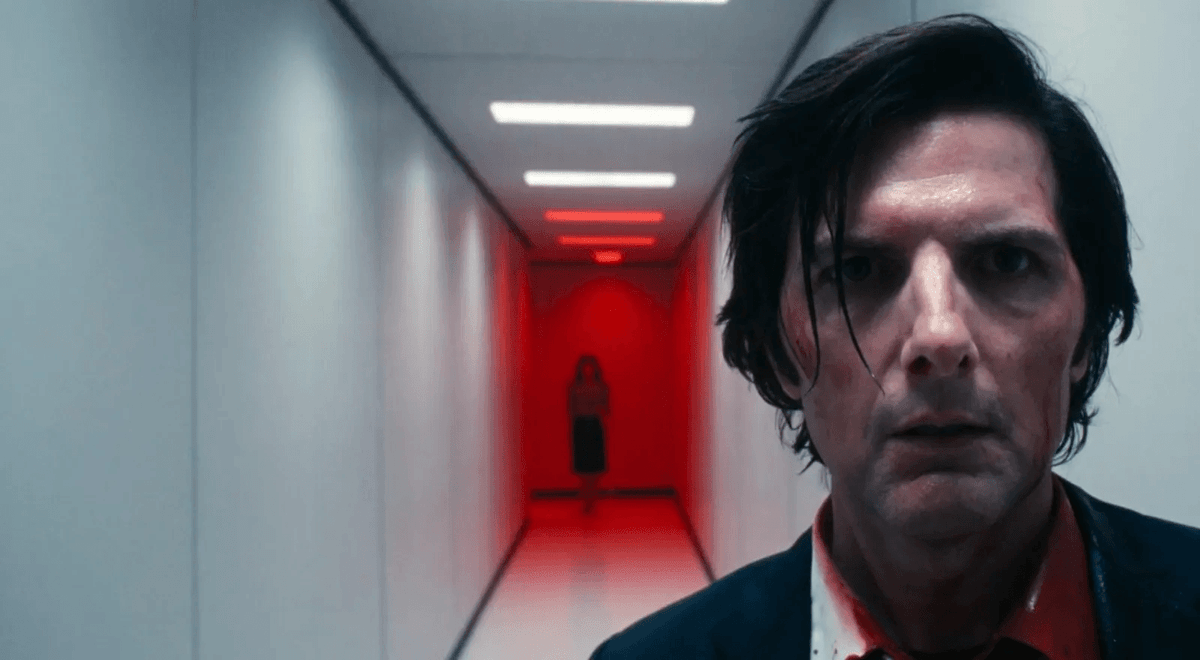
Pluribus is, by and large, a character-driven show which tells you it’s character-driven at almost every single step. The one step that the show I would say is largely plot-driven is the pilot, so I understand why there may be a disconnect for those expecting the rest of the show to be that. But there have been been too many episodes since that have told the audience that this is about the characters, particularly Carol Sturka (Rhea Seehorn), and in the latest episode, Manousos (Carlos Manuel Vesga).
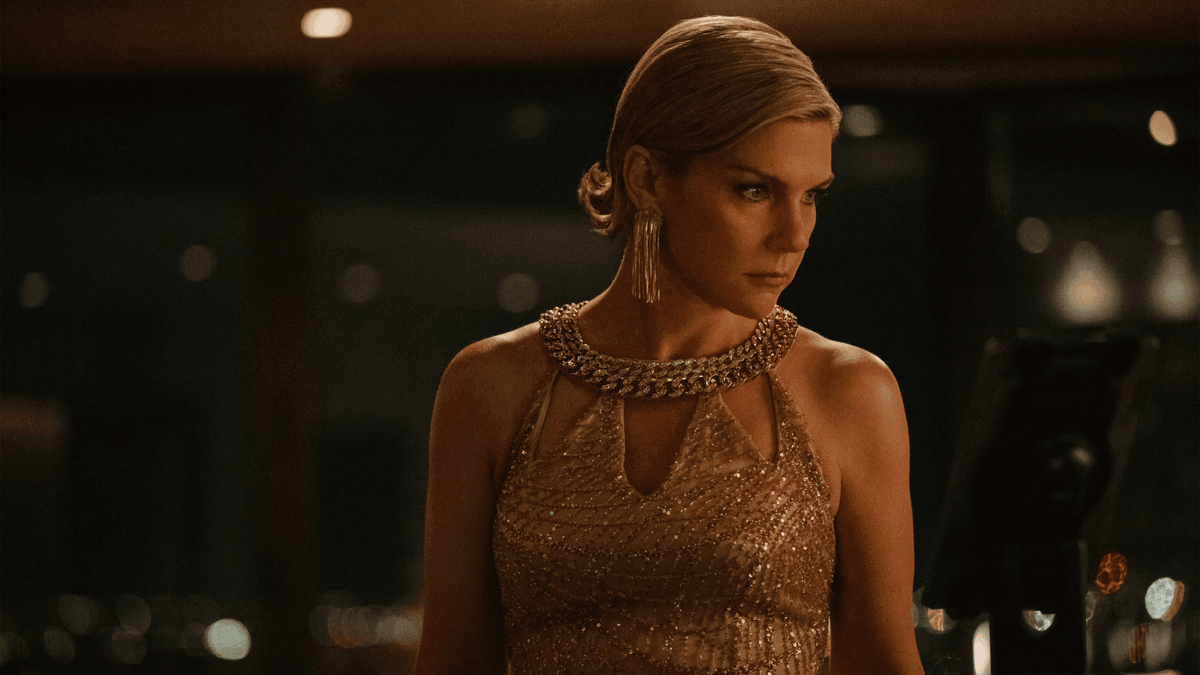
Carol, as the show advertises, is the most miserable person in the world, and that’s why every step the show takes is with her at the forefront. It’s a Rhea Seehorn showcase, the same way Breaking Bad was about Walter White and Better Call Saul was about Saul Goodman. Breaking Bad was more of a mix of a plot and character-driven show, even if it did lean to the latter far more than you would think. I would argue Better Call Saul is a fundamentally character-driven show the same way Pluribus is.
Spoilers ahead for Pluribus Episode 7, “The Gap.”
The episode is such a fantastic exploration of loneliness led by a brilliant Rhea Seehorn performance. Carol is going through it every step of the way. She drove the Hive away. She’s been turned down by all the rest of the survivors. She’s all alone in every sense of the word. She has nothing, but she’s trying to tell herself that’s not the case. She’s trying to live it up like Koumba did in the previous episode. While she doesn’t get as lavish, it’s clear she’s trying to do whatever it takes to reject the notion that she needs the Hive or the survivors. But as we progress through the episode, we understand how deeply lonely she is, which she just can’t seem to accept.

Manousos, on the other hand, refuses the help of the Hive at every step as he declares them thieves for taking things that aren’t their property (presumably including the bodies and the minds of all the people infected). He is true to his word with opposing thievery in any form, as he puts money in the cars of those he takes gas from to continue on with his journey to get to Carol. This is a man who, like Carol, wants to reverse what has been done, and his entire journey showcases both their perspectives masterfully. Carol has gone through all the stages, while Manousos is still figuring it all out.
Both their ends signify major changes, which is why I can’t take those “nothing happened” people seriously. Carol is at her wits’ end. We find out at the end she gives to her loneliness and asks the Hive to come back as she writes “come back” on her driveway, which makes a seemingly healed Zosia come. Carol sees her and breaks down as she cries into Zosia’s arms. This is the moment she accepts she needs the Hive despite her attempts to reject that idea.

Manousos takes on a very dangerous trip through the Darién Gap despite warnings by the Hive of how dangerous the trip would be. He sticks to his principles and refuses their help and goes on his journey. Eventually, he gets impaled by a spiky tree that wounds him too much to finish the journey. The Hive saves him going against his requests.
Their journeys are mirrored. They both, in essence, lose to the Hive despite their best attempts. Carol makes a conscious choice while Manousos had no free will in the decision to be saved. Carol accepts of the Hive to some degree, while Manousos will likely still reject them despite being saved. The point is, it’s such a massive ending with so much opportunity for depth within the interactions to come between Carol, the Hive, and Manousos to come.
A more plot-driven show would likely fast-forward Manousos’ journey and focus instead on how to turn back the Hive quicker than intended, but with that you would miss what makes the journey special—learning about Manousos along the way. We’d miss so much of who he is and what he believes without the journey through the gap shown. Dialogue between characters can reve,al a lot but following his journey and seeing how much he despises the Hive and what he believes and what he wants to do adds so much to his character. Oh, and did I mention how breathtaking visually the trip was?
The Hive doesn’t fundamentally change in the episode, but the characters are explored so deeply and richly in this episode that works so well to push the show further. The point being it’s a character-driven show at its heart. There will likely be plot shifts and twists and turns, but all of them will be in service of the characters and exploring them. This is why it’s befuddling that the conversation behind the show is so focused on the plot when every step of the way it has shown that it is character-driven, and Episode 7 in particular is a fantastic exploration of that using the Hive to do so.

Thanks for reading our article on Pluribus being a fundamentally misunderstood show. If you enjoyed it, consider checking out our other articles.