
‘Left-Handed Girl’ Director Shih-Ching Tsou Shares Her Love For Taiwan and Family
Shih-Ching Tsou reunites with long-time collaborator Sean Baker to make her latest feature about her hometown in Taipei, Left-Handed Girl.

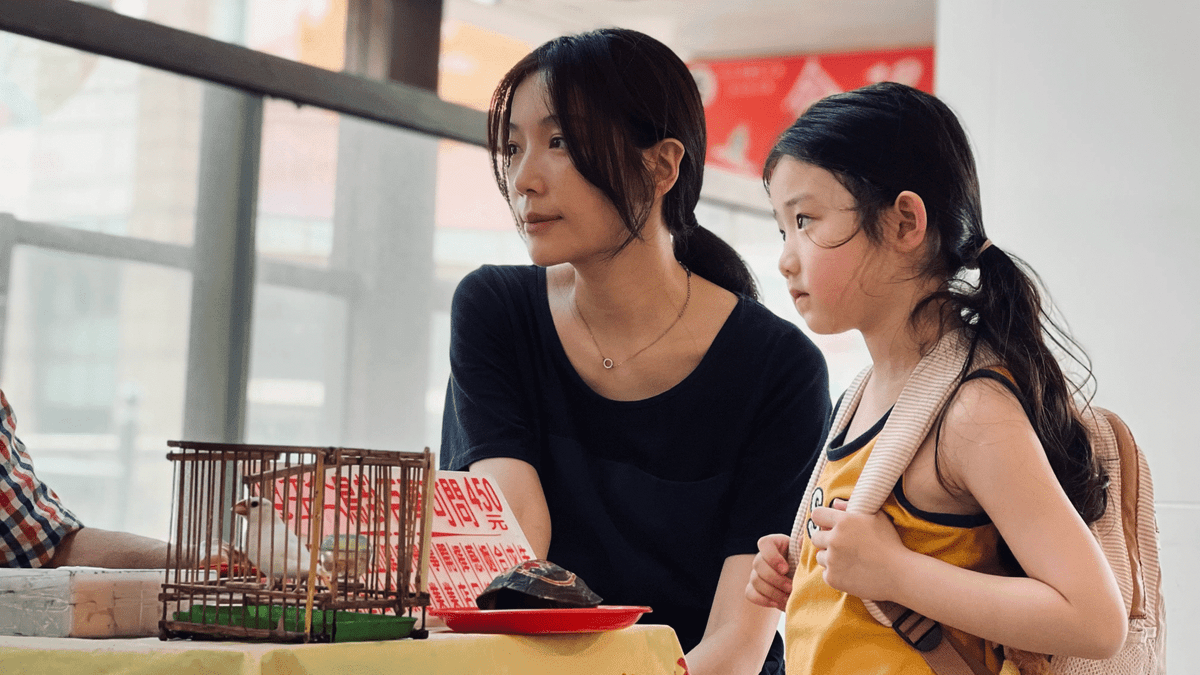
Zak Ahmed of Feature First spoke with Shih-Ching Tsou, director of the much-acclaimed Left-Handed Girl, Taiwan’s selection for Best International Feature Film for 2026. Shih-Ching Tsou also co-directed Take Out with Sean Baker in 2004.
Usually after making your first film as a director, you’re eager to quickly move onto the next project as the debut is out of the way. That sense of rush and excitement coursing through a filmmakers veins to dive right into another movie immediately is cinema’s own kind of drug. It’s hard to stop once you start. But that wasn’t the case for Taiwanese-American director Shih-Ching Tsou. While she never left the industry and maintained a consistent presence dawning on several roles like acting, producing and even costume design with frequent collaborator Sean Baker, across his movies.
Shih-Ching’s new film, Left-Handed Girl shifts that focus and brings her back into the spotlight, marking her patient directorial return after 21 years since her debut hit feature Take Out. A sturdy, grounded film she co-directed with recent Academy Award winner Sean Baker who won best picture/director/editor/writer for Anora.
They reunite by reverting to their original duo duties, except this time around Sean sticks to the editing and co-writing process while Shih-Ching takes on the sole directorial position. There’s something quite satisfying about seeing such a talented Taiwanese voice take the centre stage and shed light on her experience of this world’s unbridled struggle that goes unchecked all too often. Providing the empathetic lens for the audience to engage with directly for a film beautifully shot on an iPhone, similar to Baker’s Tangerine efforts.
I sat down with Shih-Ching Tsou to talk about her latest film Left-Handed Girl. From the devilish left hand that haunts our past to the complex ties to our family as tradition vs modernity continues to be a point of conflict between our generations and culture. Shih-Ching dives into what makes such a personal film feel so universal and representative of her fellow Taiwanese women, and what she hopes to achieve by telling her story, sharing deeply resonant experiences that speaks to us all.
This interview was edited for clarity.
Zak Ahmed: The title and premise of Left-Handed Girl traced me back to my own childhood. I grew up left-handed in a family and culture where that was often demonized. Why did you want to explore that concept in your film?
Shih-Ching Tsou: For me, it’s very personal as well because my grandfather told me in high school, “The left hand is the devil’s hand,” and I wasn’t really left-handed at the time because I also got corrected early on that, so I didn’t even remember that. But that sense of guilt and shame always stayed with me because I didn’t know what I did wrong. So later on, thinking back on growing up in Taiwan, there are so many limitations, so much expectations put on a little girl, especially a woman. So I just wanted to make a film that talks about all the social expectations on women and my memory of growing up in Taiwan. I wanted to put that into the script to show how little girls grow up in Taiwan and what kind of impact it had on their personality, and on their life.
Zak: It’s been 21 years since your directorial debut with Take Out. How has Taiwan changed in your eyes? How does it compare to New York?
Shih-Ching: I left Taiwan when I was probably 22-23, and a lot has changed, but a lot is still the same, especially the part where a lot of families still favor boys. They still think or consider only boys as their children. They will pass on their inheritance to them, but girls, when they’re married, they don’t consider family anymore. For a lot of traditional families, they’re still the same. But of course, there are a lot of modern families, the younger generation. They got rid of that tradition and they are living a different kind of tradition now. A lot of it is still the same, especially for my family. So I want to show people and stress the importance of getting rid of outdated traditions.
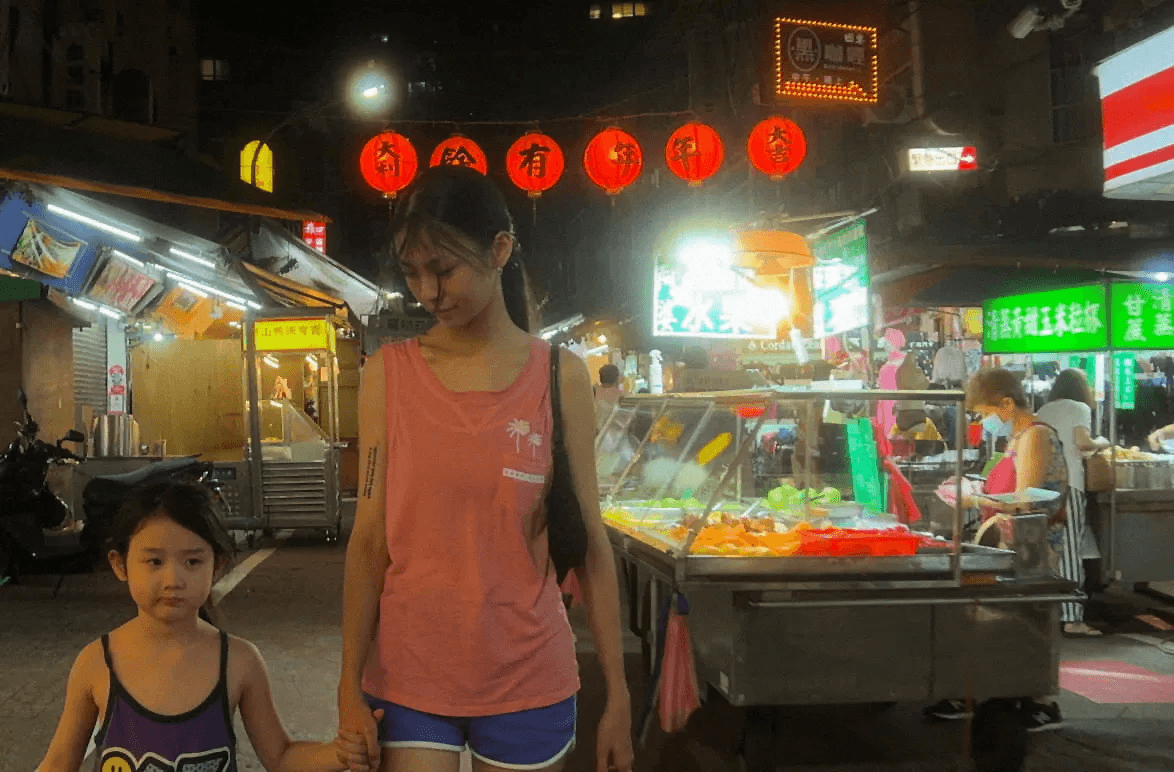
Through making this film, I also discovered the beauties in Taipei, because I don’t live there anymore. When I go back there, it’s usually like a month, a very short period of time. But I got to revisit all the places I was at in my childhood. I fell in love with Taipei again. So this is almost like a love letter to Taiwan, to Taipei. I want to show my city, my country, the love. I also want to show people how beautiful Taiwan is, and I want people to go there to visit, and to also experience the life in Taiwan.
Zak: You’ve worked with Sean Baker several times on various films as an actor, producer, costume designer, and now twice as a director. What was it like to work with him again, and was there anything new you discovered about him that you especially enjoyed in your collaboration together?
Shih-Ching: Well, throughout working on his films I’m also learning because I didn’t go to film school. So when we first worked on Take Out together, we created this research method, where we go into the community. We talk to them to know their stories. We want to put their stories into the script to make the film more authentic, so I think working with his films informed my own filmmaking style, and also the skill. So I’m really lucky. I met this person who’s really creative and we collaborated together for like 25 years. It’s really natural working with him. We wrote the script together in 2010. He had, from that point, he’s ingrained into the story, and when he rejoined in the editing process, he just kind of put his own view into the story. That’s why the story looks even more special. Not just the Taiwanese point of view, but also mixed with a foreign, a Western point of view from myself as well, because I lived in New York for 25 years. So I want to put in my own kind of spin and point of view into the script as well.
Zak: One line in the film really stuck with me. “When you’re in a bad mood, you need to have some drinks.” I was thinking about what gets me out of a bad mood, and it’s watching movies, so as a director and in your everyday life, what gets you out of a bad mood?
Shih-Ching: I get it from my mom. I’m very artistic, I would play piano and I sing. I love to make dumplings or cook. So I think any of those things that really help me, it’s almost like an art therapy type of thing. Just doing all those things using my hands that always helps me get out of bad moods.
Zak: The film focuses on a central family dynamic: the mother and the two daughters of different ages. What is it like to explore these three different stages of life in terms of losing their innocence in an urban community where money and poverty are core struggles?
Shih-Ching: Well, I think in these three roles, I kind of put myself in there, because I have a daughter too. Since I have her, I can understand more how my mom felt when she had me. So I think you can see it in the film, these three characters as parts of myself. As a little girl, I got corrected, not knowing why I got corrected. Then as a teenager, I was very rebellious, just like the older sister. I think my life experience influenced all the different characters. All the characters in the film, they’re also inspired by people in my life. I have five aunts. I saw them, how they fight, how they make up, and all the family dynamic.
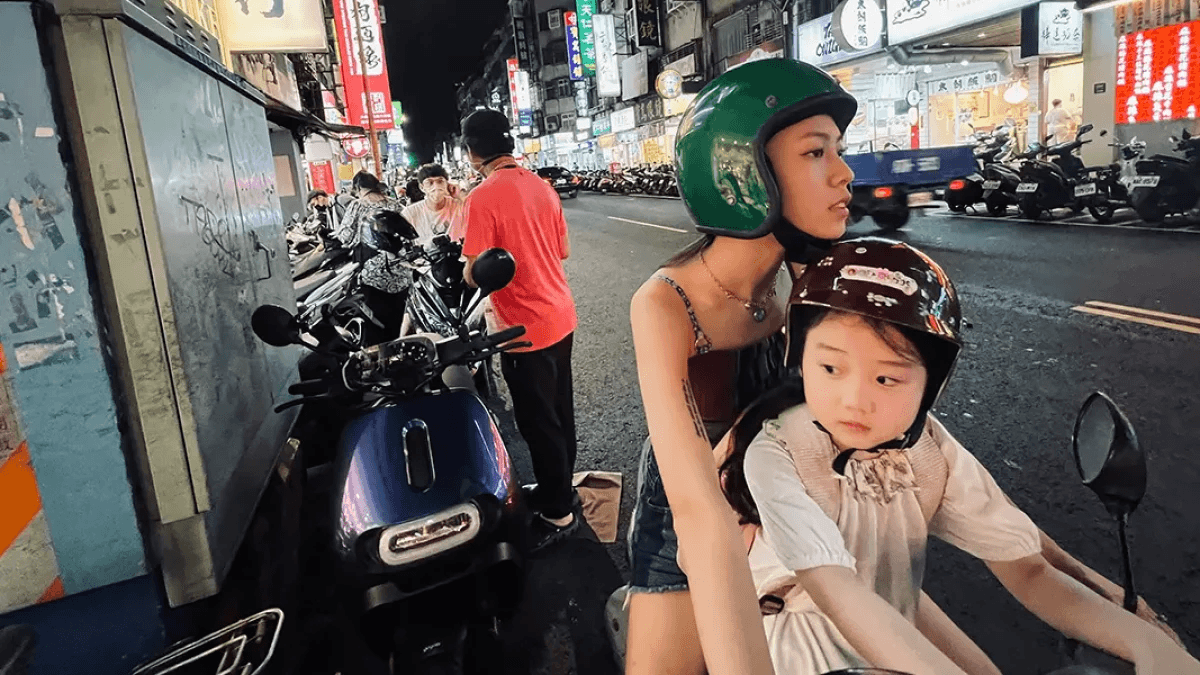
Zak: Speaking of the eldest daughter, I-Ann (Ma Shih-yuan), I noticed with your filmmaking style that during the quieter moments, you tend to reveal a glimpse of her emotions. One scene when she was lying down on the bed and there’s a sunlight shot, it’s completely silent and you can see her eyes, tears well up. Then even when she’s riding on a motorcycle, there’s that silence. What’s it like to approach the film in that way and draw out empathy from the characters?
Shih-Ching: I think that’s just part of the growing eye in Taiwan. You always get repressed. You cannot cry. Something happened, you cry, and they would be like, why are you crying? You shouldn’t. Don’t cry. You are not allowed to express your feelings, your emotions. So I feel that’s why I wanted to put in those things. I think one time I was at a special screening. A Taiwanese girl came to me. She said, that just hit hard. So that hit me so hard because that’s what I did when I want to cry. I can only cry in bed because I was not allowed to express any emotions, so I think that’s just my personal experience. Also, a lot of Taiwanese girls have the same experience.
Zak: How does it feel to have your film premiere at Cannes and now travel to London and the rest of the world, with the release soon?
Shih-Ching: I feel very lucky and very happy that people like the film and also resonate with the film, it doesn’t really happen everyday so I’m really happy and honored.
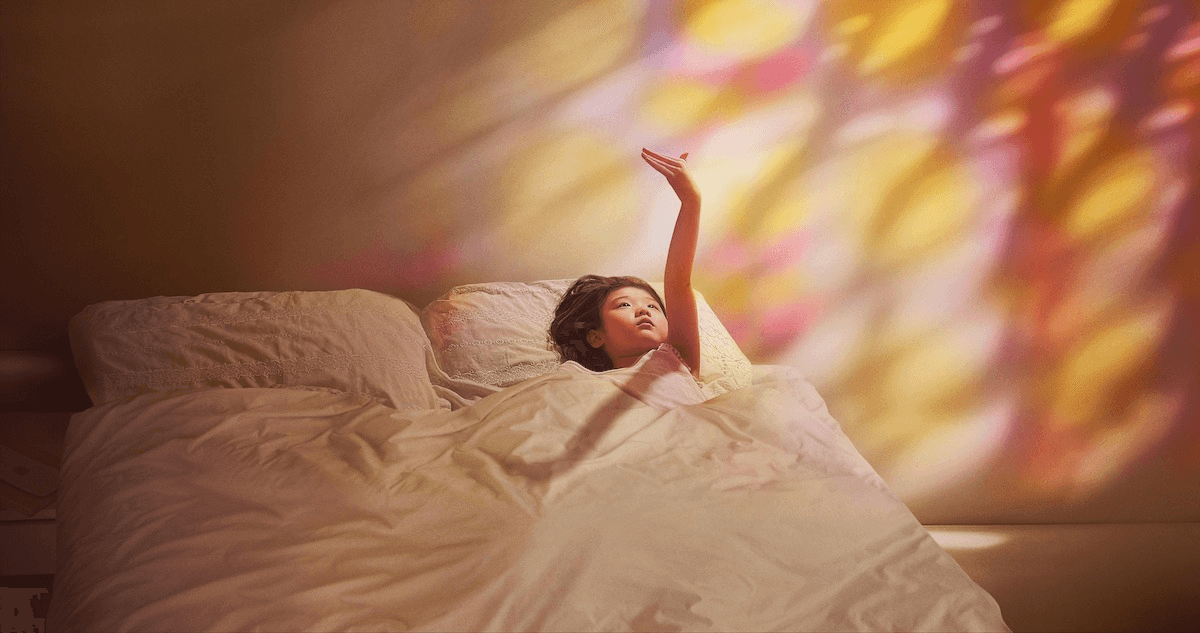
Left-Handed Girl releases this Friday 28th November on Netflix

Thank you for reading this interview for Left-Handed Girl with Director Shih-Ching Tsou. For more like it, stay tuned here at Feature First.