
‘Josephine’ Review: Powerful Child Story About Adults and Abuse
Josephine is a devastating perspective shown through a child that witnesses a traumatic encounter. Read our Josephine review.

Being a parent is considered arguably the greatest thing for any human. In many ways it is what gives our life purpose and sustenance. For how short lived our time is in this world, having children is perhaps the only way to continue what is left of each of us. Passing down our memories, love and legacy as a torch bearer does to the next generation. Sometimes a child is described as a parent’s entire world, or even universe. That may seem like an exaggeration but I’m sure every parent in some shape or form feels that way about their child. Raising one is another story entirely, and often regarded as one of the most difficult parts of life. You bear the weight of the world on your shoulders through your kids yet that doesn’t stop a parent from wanting to love them no matter what, unconditionally.
Director Beth de Araújo understands this immensity all too well. Bringing her film to the Sundance film festival, Josephine is a devastating perspective shown through a child that goes through a traumatic encounter, not personally experiencing the horrifying incident but helplessly watching from afar. It is frustrating and disheartening to see the consistent lack of empathy by adults in the system and at home in being able to approach and talk to a child. But it asks important questions. How do you as a parent, deal with knowing what your child has seen? How do you prepare them for a world that’s so clearly cruel? And for the child, how do you continue to live knowing the horrors of what you just saw? How do you sleep when nightmares keep reminding you of your pain? That no one can understand you no matter how much they tell you they do.
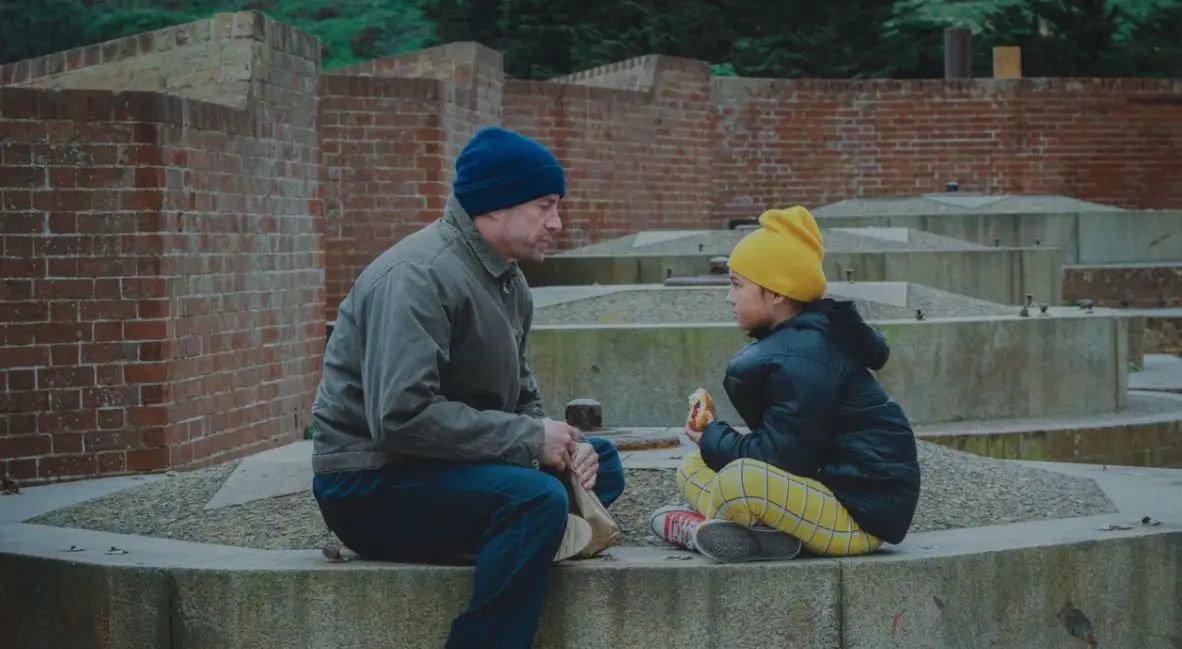
Drawing from her personal experiences, director Beth demonstrates how fear and aggression born from childhood trauma can be so disarming and psychologically punishing in ways that no one prepares you for, suddenly having to learn all this information and process so quickly just to get a hold of your sanity. We see early on from a pure first-person perspective akin to RaMell Ross’s masterful Nickel Boys, shot beautifully by cinematographer Greta Zozula who threads a fine line between claustrophobic focus on the camera and distant and isolating shots that make Josephine’s experience from witnessing a brutal assault feel discombobulating. Emphasising close-ups when necessary with clever editing as we immerse into her natural degradation of her mental health.
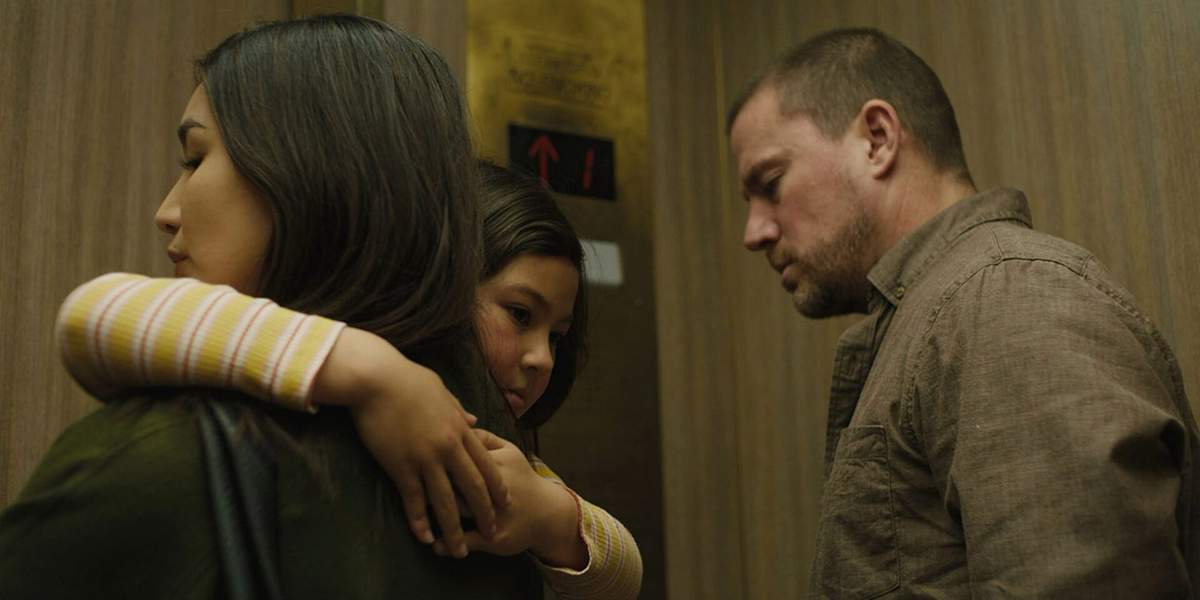
As harrowing as this film was to watch, I cannot begin to imagine how it was like for the actors, both Channing Tatum and Gemma Chan are remarkable in understanding the sensitivity of the material, showing the challenges of loving parents unable to show the ugly realities of the world to their daughter but trying nonetheless. From Tatum balancing a father that navigates pain through action than words while Chan implores conversation and therapy, providing a mature counterweight amidst her rising fears and paranoia as the world starts to feel small and overwhelming for the family. But in particular, the child lead Mason Reeves delivers a sublime, nuanced performance in her shocking debut that threads the line of a powerful coming of age and the sudden loss of innocence stripped from a child. We see, breathe and live the film through her eyes, which only makes it more suffocating to watch a poor girl unravel, on the brink of losing her sanity.
The harshest truth we face is knowing the world is unfair. That as much as we can prepare for what’s out there, none of that matters once the evils of this world are thrown directly in your face and no one is there to save you. But that shouldn’t change the fact you keep on going, save yourself from your oblivion and confront the injustice with good and compassion. The court sequences towards the end beautifully captures this humanist sentiment, demonstrating that as broken as the system can be, it is still up to the people to decide their own fate and find ways to make sense of this unjust world, without losing their own morality. Josephine’s family is tested beyond measure in this regard, yet highlights how humanity does endure, when all else seems to fail.
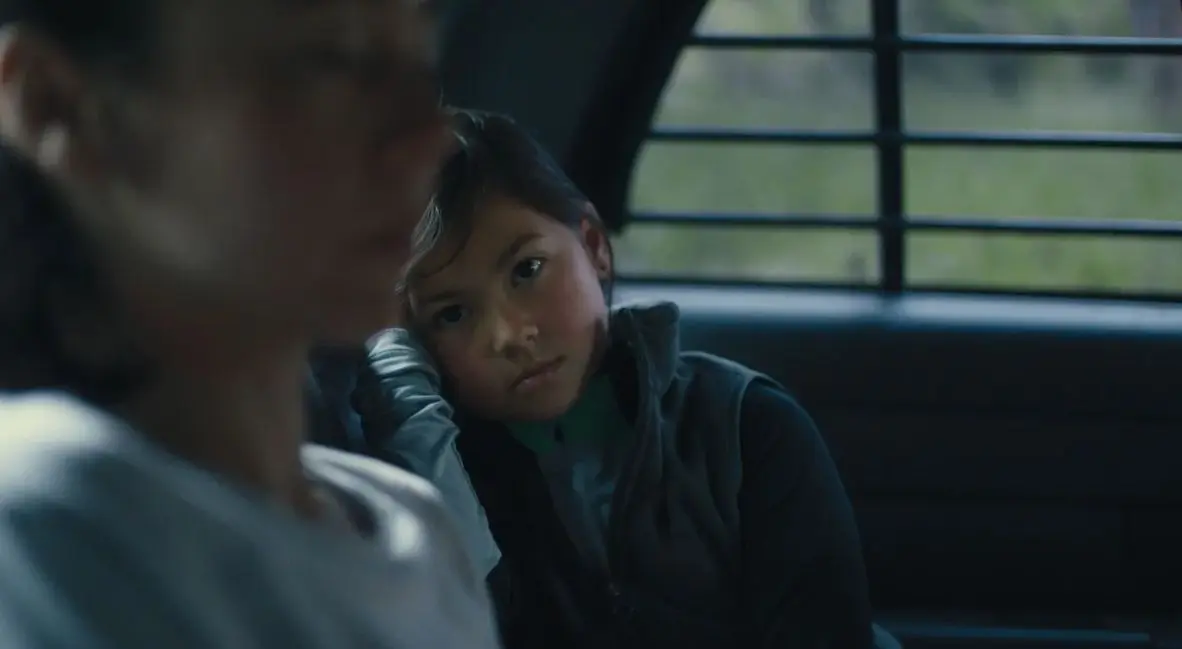
It is no easy watch by any means. In fact Josephine might be the toughest film to watch this year, as many audiences left stunned in silence with tears. But that is exactly why Josephine is an essential film for 2026. Cruel and unforgiving in its depiction of children witnessing or partaking in violence, but honest and tender in understanding how human innocence can be so easily destroyed, only encouraging us to not look away and speak up in support of one another. Beth de Araújo shares a glimpse to her own world by anchoring a grounded drama in a way that forces reflection and concern, but also compassion and resilience in the fight against oppression and abuse. Both of which many young people reckon with everyday. Mason Reeves’s revelation of a performance is vital to understanding this powerful film that is surely one of the year’s best already.
Josephine is directed by Beth de Araújo and stars Mason Reeves, Channing Tatum, and Gemma Chan. The film premiered at the Sundance Film Festival on January 23rd, 2026, and is yet to receive distribution. It will next screen at Berlinale.
Thanks for reading this Josephine review. For more, stay tuned here at Feature First.