
Wim Wenders Deflects Questions About Gaza Conflict At Berlinale Using Separation Of Art As Justification
Iconic director Wim Wenders has spoken about the Gaza conflict at Berlinale 2026, avoiding answering questions claiming art is not meant to be political. Read the full article.

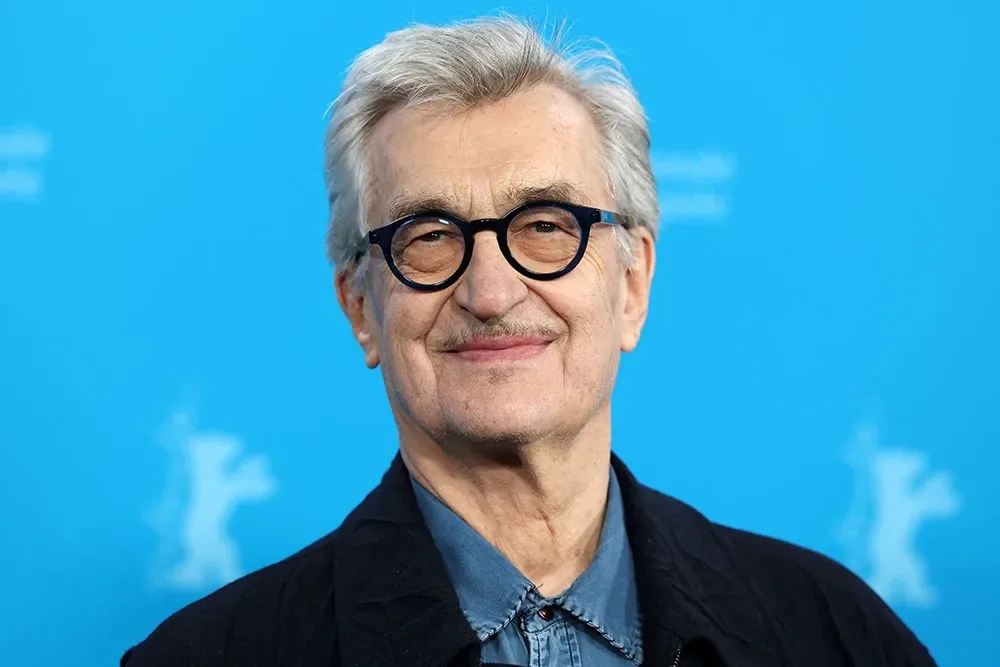
This year’s edition of the historic Berlin Film Festival started off with political tensions during the opening press conference with the competition jury. Led by president and director Wim Wenders, who chose to distance himself from questions surrounding the current state of the world, particularly the still ongoing genocide of Gaza, Palestine, where a false ceasefire has long been broken by Israel. Read our Wim Wenders Gaza conflict article below.
Several press reporters asked if cinema can influence the political landscape, but the veteran German director seemed to disagree with that sentiment, expressing that “movies can change the world,” but “not in a political way.” A contestable conclusion given how Hollywood has constantly been engulfed in politics, with many artists speaking out to encourage a change. After all, much art is inherently political.
Wim Wenders is currently taking on the role as jury president for this year’s Berlinale, led by a team of jury members that includes Japanese director Hikari (Rental Family), The Zone of Interest producer Ewa Puszcyńska, South Korean actress Bae Doona, Nepalese director Min Bahadur Bham, American director Reinaldo Marcus Green (King Richard) and Indian filmmaker Shivendra Singh Dungarpur. As usual, the jury consists of a wealth of diverse talent across the world, an attribute that the festival seems to be proud of, extending to the film selection, which Wenders emphasised to be what makes Berlinale different from other film festivals, “You can be sure you’ll see more facets of the world than in any other festival,” he said. “That’s their great strength, you know?”
A pressing topic was the ongoing genocide in Gaza, Palestine, as the German government continues to support Israel, which funds the majority of the festival. Jury member Ewa Puszczyńska didn’t seem to take kindly to that question being posed, believing that she felt the question was “a bit unfair”. And that “Of course, we are trying to talk to people, every single viewer, to make them think, but we cannot be responsible for what their decision would be to support Israel or the decision to support Palestine,” she also said. “There are many other wars where genocide is committed, and we do not talk about that. So this is a very complicated question, and I think it’s a bit unfair to ask us what we think, how we support, not support, talking to our governments or not.”
It’s an unfortunate stance to take, given her peer and director of the Academy Award-winning film The Zone of Interest, Jonathan Glazer bravely denounced the state of Israel on the biggest stage in the film industry, demonstrating that it is possible to speak up about what is happening now in the region without being distracted by assuming a false equivalence to other ongoing humanitarian crises.
The common theme of the press conference seemed to continue in the spirits of separating art from politics, a foolish endeavour in my opinion as that is never the case with cinema in particular, but one that Wim Wenders wholeheartedly stands by. Saying that as filmmakers, “We have to stay out of politics because if we make movies that are dedicatedly political, we enter the field of politics. But we are the counterweight of politics; we are the opposite of politics. We have to do the work of people, not the work of politicians.”
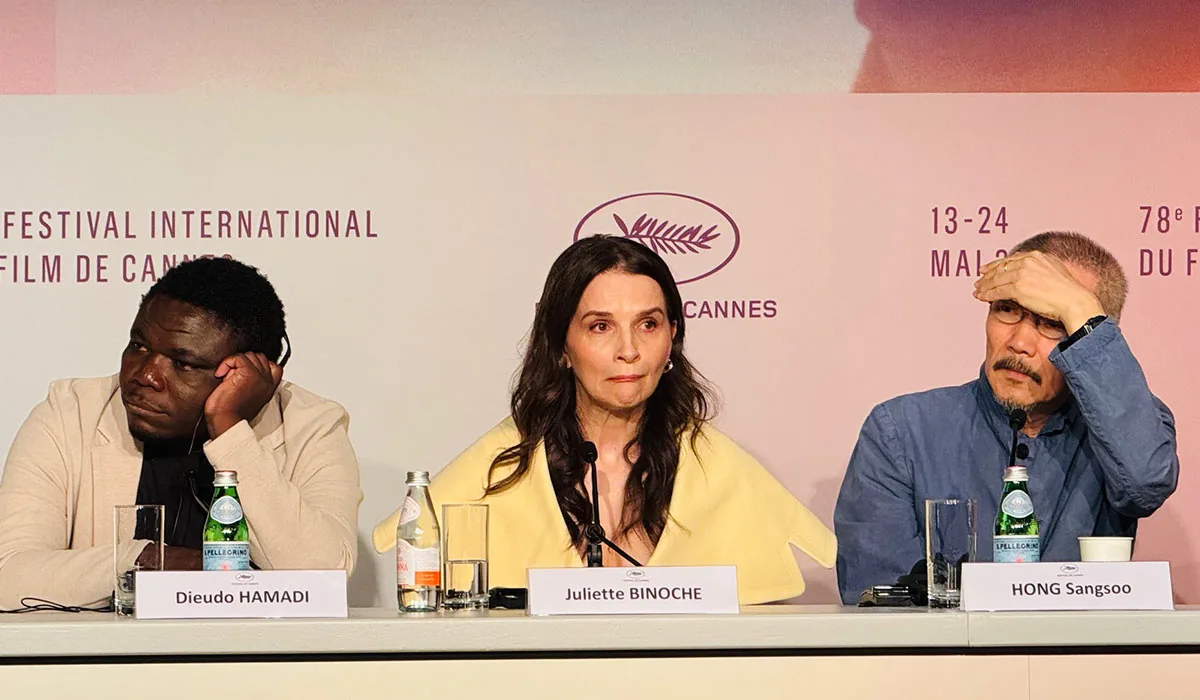
Much like last year’s Cannes Film Festival, where president Juliette Binoche struggled to fully denounce the killing of Palestinian photojournalist Fatma Hassona by Israel, who was meant to come to Cannes for her documentary Put Your Soul on Your Hand and Walk, only for Israel to target and massacre her family upon the public announcement.
Or during the previous Venice Film Festival, when jury president Alexander Payne refused to engage with questions about Palestine, especially with the inclusion of the now Oscar nominated film The Voice of Hind Rajab, which developed controversial rumors of not being given the Golden Lion due to jury member Fernanda Torres apparent dissatisfaction. Or even TIFF retracting their initial choice of excluding an Israeli propaganda film project upon backlash. There is a clear trend with these film festivals and their competition juries that stubbornly refuses to acknowledge the political influence or damage that envelope the state of the world, which remains a concern when many invited and attending guests represent these people in plight. Berlinale continues such a pattern.
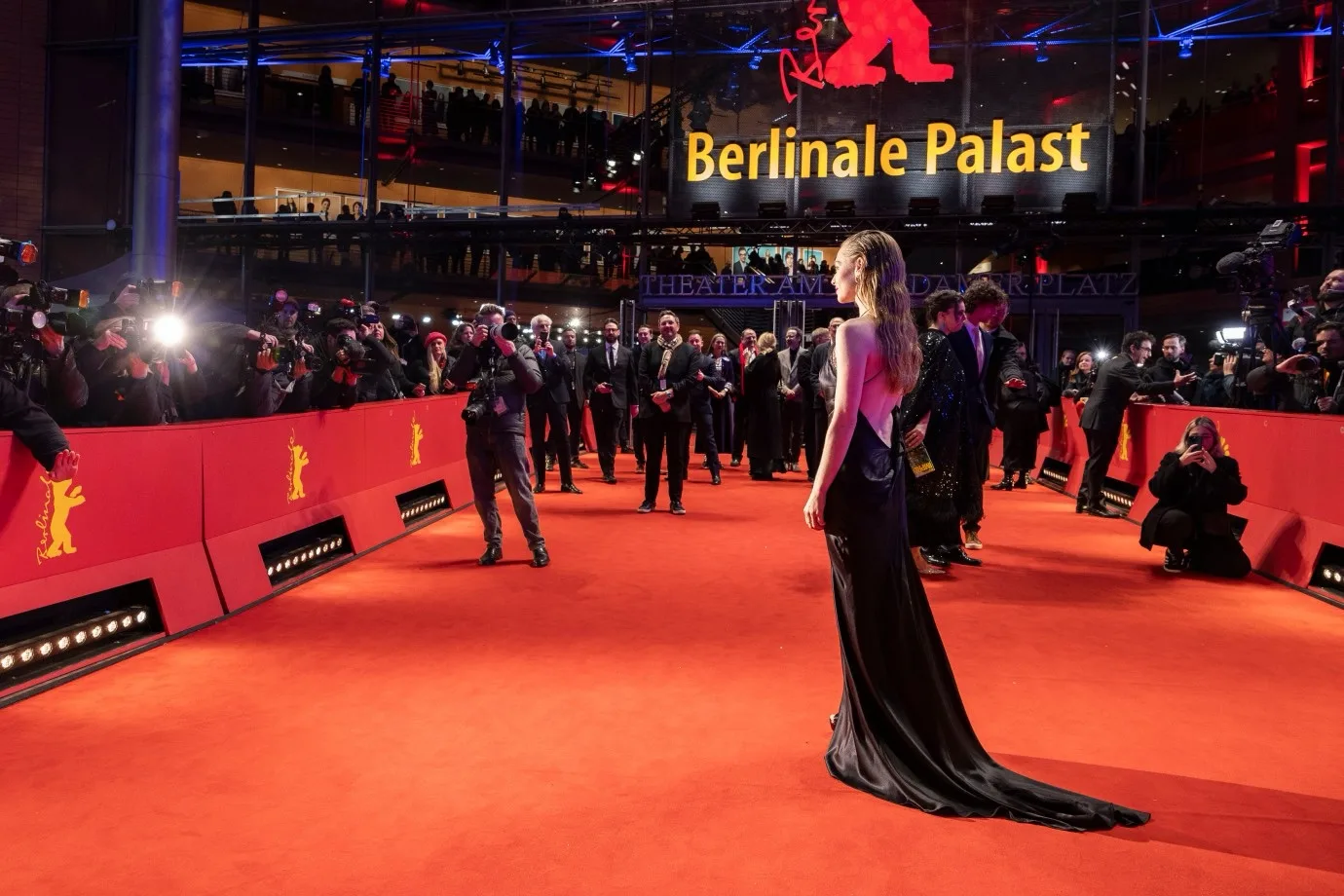
The 76th Annual edition of the Berlin Film Festival begins tonight with the opening ceremony followed by the premiere of Shahrbanoo Sadat’s No Good Men. The festival will run until February 22, expecting many world premieres, celebrities, emerging talent and returning guests to participate or attend.
Thanks for reading this Wim Wenders Gaza Conflict article. For more, stay tuned here at Feature First.