
People Are Desperate For A 2025 Awards Season Villain… It’s Not Coming
We are now deep into the 2025 awards season and of course people are looking for the 2025 awards season villain. It’s not coming.


It’s that time of the year and people are feeling agitated. Yes, you guessed it. It’s the long awaited awards season and we are right in the meat of it for the first time since the turn of the year. One of the constants during this period is the online reaction to all the films being considered for nominations and wins. This is made even more vocal when a large portion of the titles have a selective release after the festival circuit, before they each hit worldwide, so many films are not widely seen just yet, despite being in contention (industry and press are granted early access). This period of anticipation and lack of clarity can seem like a make or break for many films and studios aiming to find their feed and reach their target audiences. Read this 2025 awards villain article.
After the recent awards season, where Anora stormed its way to victory with a near clean sweep at the Oscars, there was one film throughout the majority of the season that developed a villain status. If you hadn’t guessed, it was Emilia Pérez. Originally premiered at Cannes to mostly raves with a few critiques and even going on to win a rare best acting trio prize before Karla Sofía Gascón, Zoe Saldaña and Selena Gomez to eventually releasing through the festival and awards circuit before its eventual limited theatrical distribution and final release on Netflix’s damned streaming platform. Many award bodies were quite passionate about the film, and Emilia Pérez even recorded double-figure nominations at the Oscars.
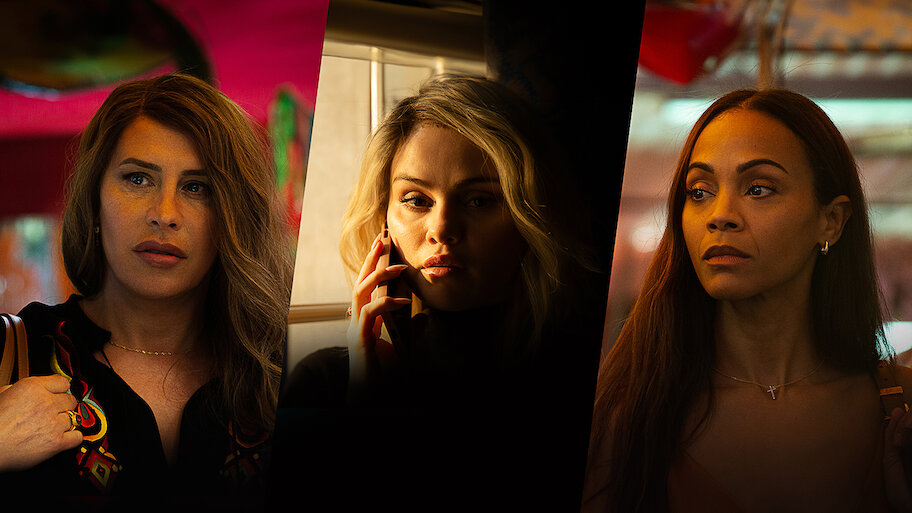
But audiences worldwide felt alienated to the extreme praise the film received. Lambasting it’s portrayal of Mexican culture, accusing it of stereotyping and negatively caricaturing its civilians through the drug cartel narrative, to being considered an insult to trans people, and further alienating the already vulnerable community. With the film set to be nominated in a dozen or so categories and potentially the leading frontrunner (in comes Anora to save the day), an awards villain was established. Every casual viewer, stan and awards obsessed had one shared objective; to pray for Emilia Pérez‘s downfall and hope it blanks on the awards.
That shared prayer seemed to come to pass when journalist Sarah Hagi decided to look through Karla Sofía Gascón’s old tweets on her account just to find some of the most bigoted and racist remarks, parroting islamophobia, hatred towards people of color, insulting their intelligence, and even attacking her castmate Selena Gomez. Such tweets resurfacing felt like a fire gone ablaze to Emilia Perez’s marketing and awards campaign. With Karla reacting poorly and failing to take genuine accountability with sob stories on press interviews and playing the victim card, even downplaying her clearly questionable and indefensible comments that may still be her current beliefs. It felt like vindication for the viewers who long felt something didn’t add up with the movie.
Whether that’s a fair presumption to have or not is not my position to say, but I will argue that the separation between art and artists has been a debate forever for a reason. Many filmmakers and actors have had and continue to have controversial, even vile, views that sooner or later get revealed. So it doesn’t come as a surprise.

This revelation of course stirred many voters away, wanting to not reward such a spiteful figure or a film that could endorse this attitude especially when the director Jacques Audiard failed to acknowledge this in his speeches or interviews and completely detached from Karla rather than share responsibility or make a firm stance against such hatred, which is needed now more than ever in this shaky political climate where minorities are scapegoated.
Come Oscars night and the film left with just an Original Song win that even felt awkward to watch live and the winners who attempted to recreate their Emilia Pérez singing were taken off the stage by the music. And even its most relevant category, International Film, was given to I’m Still Here, which felt like a major victory for Brazilians and the rest of the world. But of course, the biggest surprise of the night was Sean Baker’s Anora pretty much sweeping the awards, taking home best picture, directing, editing and actress prize along with it too. The Academy clearly loved Anora and felt this was Sean Baker’s moment and as young as Mikey Madison was (25 at the time), the younger voting body declared to award a great performance from their favourite film over a career overdue narrative like Demi Moore or international favorite Fernanda Torres. Much to the frustration of their fans and some viewers.
Since then, people have been eager to forget the existence of Emilia Pérez, pretending it never happened, and now those same people also feel somewhat spiteful or envious of Anora’s clearly deserved wins. Framing it as the post-Oscars villain in a way, as many new viewers came to watch with the expectation of bringing it down or just to have a hot take and join the online discourse, questioning its Oscar win or throwing around performative moral superiority over its contents rather than judging the film on its own merits.
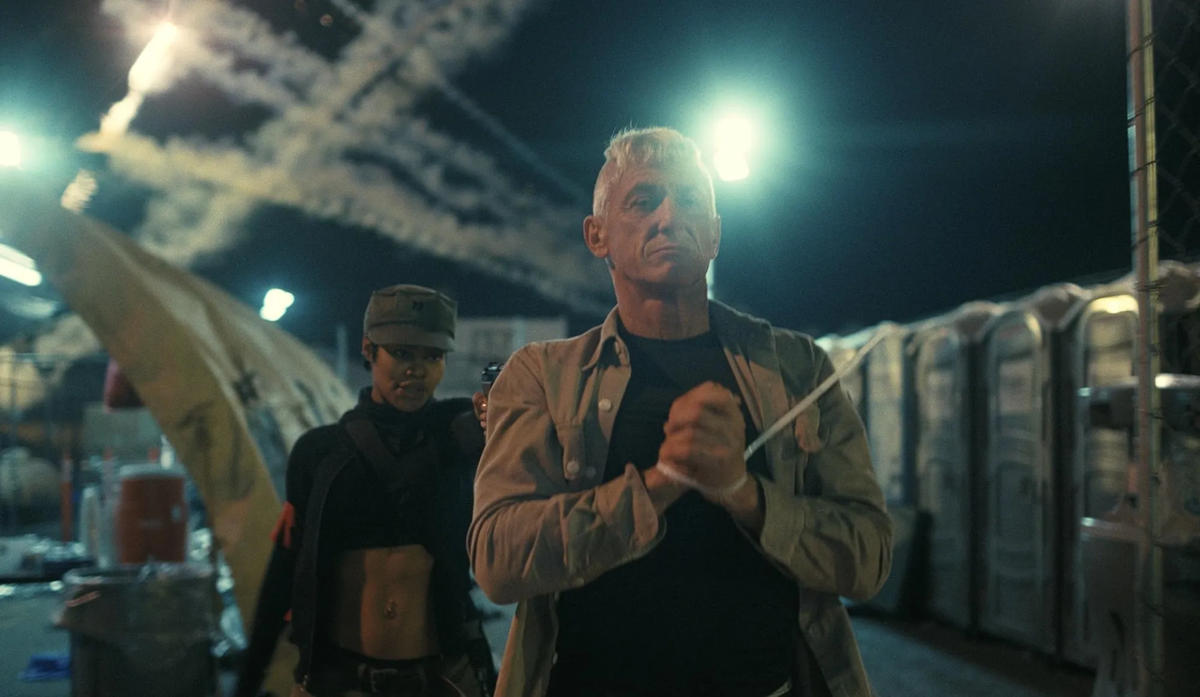
It’s a fascinating behavioural trend of audiences when it comes to award season both during and after, which only brings us to this past year’s narrative. As One Battle After Another and Sinners both were released to unprecedented acclaim and have since become the main talking points of the 2025 awards season. People have been wondering what film will turn the other cheek and become the fateful awards villain everyone must root against and hate on.
There seemed to be glimpses of it with Chloe Zhao’s Hamnet, but that was short-lived with a lot of the online discourse strictly on Twitter and reduced to shallow remarks that mean nothing like calling the film “emotionally manipulative” or alleging that lead Jessie Buckley was overacting. At times, this kind of takeaway felt forced and, dare I say, misogynistic. But thankfully, this passed, same with the temporary Train Dreams hate train.
Timtothée Chalamet’s greatness campaign with Marty Supreme on the other hand felt like it was primed to be the villain people can get behind against. Why should anyone care what an arrogant young white guy thinks after all? But even that presumed narrative quickly died out after its New York Film Festival premiere and, since its successful release, proved to be nothing but rave reviewss for the ping pong movie and Chalamet’s performance. Many doubters even held up their hands and claimed they were wrong.

So, who or which film is the awards villain this year? Well, the answer is no one. It is business as usual with great films being correctly acknowledged and it has been argued that the attention has been given to the right films. With no Emilia Pérez for everyone to get behind, where will the energy go?
Perhaps the villain role has been redirected to the awards bodies, particularly the Critics’ Choice Awards and The Actor Awards, who have both demonstrated clear disregard for international films and performances. Feeding into the stereotype that the industry only cares about Hollywood populist movies and voting for their favourite friends’ work rather than by merit and genuine recognition.
It has upset many viewers, both audiences, critics, filmmakers and even their families alike, fearing that there is still clear progress needed to be made across the voting board to meet the standards of the Academy which seems to fare better internationally due to its more diverse representation. Time will tell as the Academy is known to be more internationally representative, but one thing is undeniable. International films have always been around and are not going anywhere.
Thanks for reading this 2025 awards season villain article. For more, stay tuned here at Feature First.