
‘The Voice of Hind Rajab’ Director Kaouther Ben Hania Talks 2025’s Most Important Film
Zak Ahmed sat down with Kaouther Ben Hania to talk The Voice of Hind Rajab’s impact, censorship, the voice of victims and her own responsibility as an artist.

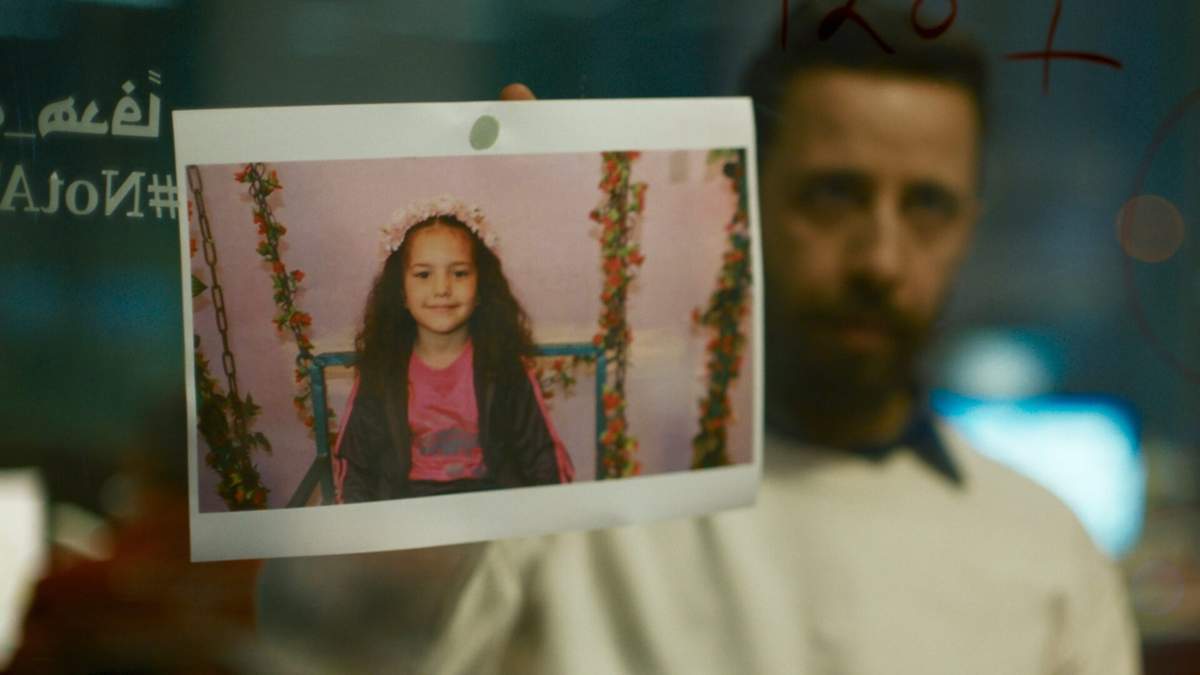
Nearly 2 years since a Palestinian child, a 5 year old girl named Hind Rajab was killed by Israel on January 29, 2024 during the still ongoing genocide of Palestine in Gaza, it has been a watershed period for the world. For those who don’t know, The Rajab family were fleeing Gaza City as it was being destroyed by Israel’s bombardment. Hind along with her family, were stuck in a car as they were escaping before being slaughtered by Israel’s forces, with tanks firing 355 rounds on their car, killing the Rajab family one by one with only Hind remaining as the possibly sole survivor, before she too was eventually killed while she was pleading on the phone to the Palestine Red Crescent Society, for anyone to save her. A negotiated rescue attempt was sabotaged by Israel as soon as the ambulance arrived, killing 2 Palestinian paramedics and Hind Rajab. Read our The Voice of Hind Rajab Kaouther Ben Hania interview.
I spoke with director Kaouther Ben Hania, who returns from her previous docudrama Four Daughters (a powerful retelling about a Tunisian family falling victim to abuse and the rise of ISIS extremism), who now sets her heart on telling a true story about a Palestinian girl’s last moments before she was murdered by Israel. By involving a Palestinian cast of actors and using Hind Rajab’s own audio on the call to the Palestine Red Crescent, Kaouther re-enacts the tragedy and shows the inhumanity of Israel that global media and politicians refused to acknowledge for so long, allowing Palestinian children to be killed and the murderers to go unpunished. We discuss the powerful film’s impact, censorship, the voice of victims and her own responsibility as an artist and filmmaker engaging with such sensitive subject matter, reflecting our current state of the world and the urgency of its role in humanising Palestinians.
This interview was edited for consistency and clarity.
Zak Ahmed: How does cinema enable you to give voice to the voiceless?
Kaouther Ben Hania: This is a very good question. At least this is how I think about cinema. You know, Hind Rajab had a voice. She’s not voiceless. And this movie is called The Voice of Hind Rajab, because I heard her voice on social media, and we all know how social media works. It’s about amnesia, scrollin,g and I thought that I needed to honor her voice in cinematic form that can give her the space and the place to be listened to. So I’m giving back her voice, because she had a voice. I think that cinema can be placed to listen, to see, and also to feel empathy and to understand, as you said, what we call the voiceless, the oppressed, to understand the mechanism that can lead, can be on their life, but also can lead to their death. And this is the case of Hind Rajab.
Zak: With Western media nowadays, people are frustrated that headlines, articles etc always go by the oppressors words first. They never look towards the victim, the one who’s suffering the most. It’s always Israel or IDF says. But in your case, you’re shedding light on a powerful and tragic human experience. Is there any responsibility you feel in trying to push against that bias, that the media and the the world operates against the oppressed?
Kaouther: Yes sure, because, the fact that I’m an independent filmmaker, I don’t have people to tell me what to say and what to do, and that gives me the freedom to talk about what I want to do. Seeing what’s happening in mass media, especially in the Western world where Palestinians are just numbers and sometimes they are called collateral damage, which is very humiliating for their memory. I felt that cinema can again be a place where, and this is the role of cinema, to experience the life of others, to have a place where you can put yourself in the shoes of the other, the Palestinian. We know why, like we are talking, we are in a place where we have an oppressor. A powerful oppressor that can have propaganda and can tell different stories. But finally, when you ask people, because all this is done by design, it’s done just not to consider the Palestinians as human.
Because when you don’t know the Palestinian and the human brain don’t like what they don’t know, so they are afraid of what they don’t know. All this is done by design around this point, But when you resist against that, when you make an artistic proposition, a film, a play, a book, to explore what does it mean to be Palestinian, what does it mean to be oppressed, you give the human brain this experience of empathy, of understanding. And this is very precious.
Zak: Hind Rajab’s voice recordings are factual and historical but the rest of the story is a recreation. So trying to mix in that documentary style into a dramatised feature is such an interesting combination. When you were filming, how emotional and powerful was it for you to go through that process of creating this story as opposed to when you first watched the film when it was completed?
Kaouther: When you decide to do a movie, a film is a rational decision, it started for me at least with a very strong emotion when I heard the voice of Hind Rajab for the first time. When you take the decision to make the movie, you start making choices. My job as a filmmaker, because this story was written. It’s a true story. It’s rooted, anchored in facts, and there were investigations. The Washington Post did a great piece about it, the forensic architect, they did a great job investigating the killing of Hind Rajab. So the story was, let’s say, written. What I did, me as a filmmaker, to make several choices to say from which point of view I’ll tell this story. What does it mean to talk about the genocide while the genocide is still happening? How to use the tools of cinema to make this story impactful and to make the voice of this little girl resonate around the world beyond cultural and ethnic appartenance.
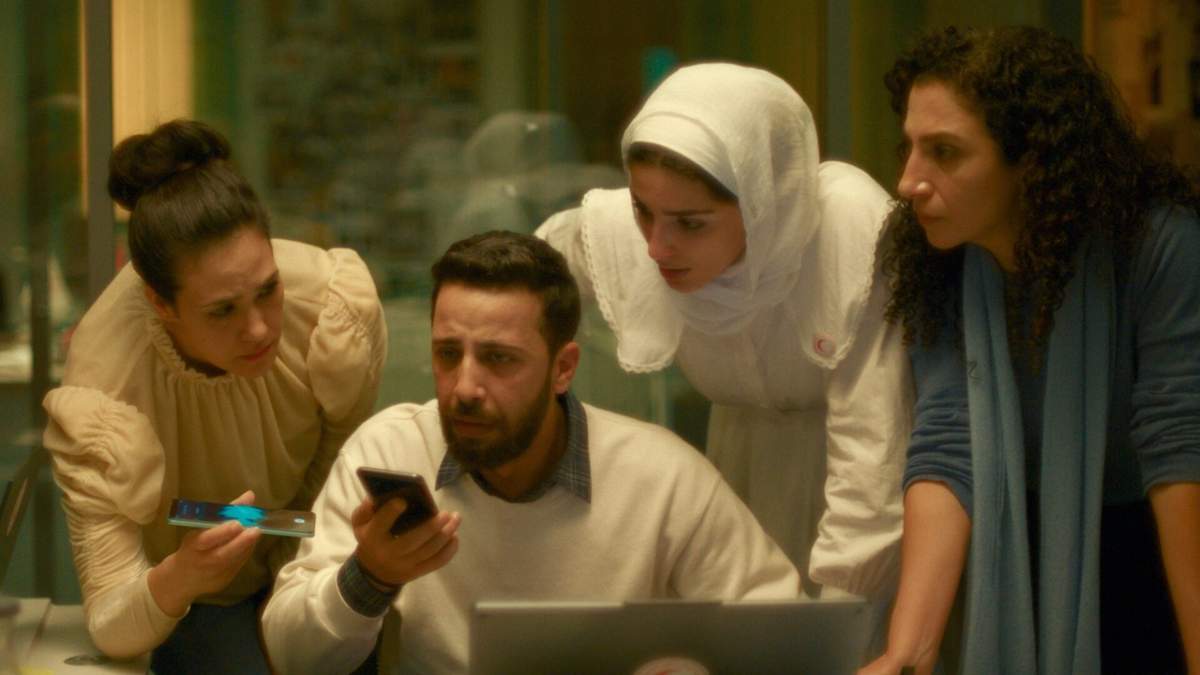
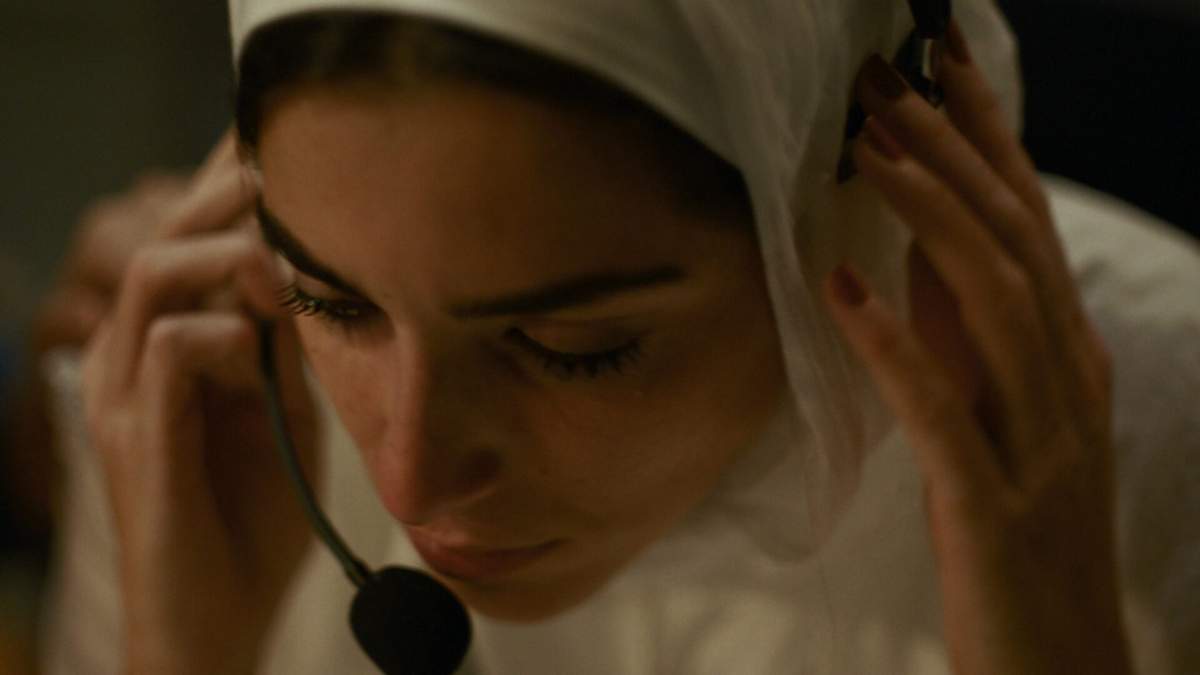
So all my decisions in the writing, for example, the fact that I decided to not film what is happening in the car, but film those who were listening to this little girl, the fact that I needed to recreate this moment to do a movie in the present tense, not a movie talking about something that happened in the past, but go back to this moment where it was possible to save her. All those are conscious decisions. Looking for the most impactful result and also taking into consideration the ethical questions of how to film, how to talk about a genocide while it’s happening. So then when you make all those choices and you decide that this movie will be in the offices of the Red Crescent, the offices of those who listened, of those who did everything in their power to save this girl. For me, it was the right distance. Then, when once again you make all those decisions, you start sharing this with your crew and cast. This is another type of work because it became a collective work. So the intention you wanted to convey in the movie, you share them with your actors. For example, the fact that I wanted this story to be told in the present tense. What does it mean? It means that, for example, I asked the actors (Motaz Malhees, Saja Kilani, Clara Khoury and Amar Hlehel) if they are comfortable with the idea not to rehearse with the voice of Hind Rajab in the recording, to hear it for the first time during the shooting so they can be in that moment like me the first time I heard her voice, but most importantly, like the real character heard her voice for the first time. They weren’t rehearsing, they have training, but it was the first time they hear her voice. So we did this with the actor, for example. It was emotionally very hard to do for them. But what we see on the screen, it’s not acting, it’s their genuine reaction to the situation. So I needed to do a movie beyond performance, beyond acting, something that can feel authentic and can convey this immediacy that we feel in the voice of Hind Rajab when we hear it for the first time.
Zak: I really hope the film lasts forever and that her memory is something that is eternal. As you know, the ceasefire is not existing and the Western world, everyone is slowly trying to forget or forget that this is happening. So I hope a story like this where it really continues to live on and remind people that we can’t look away. We have to keep looking forward and see that people need our help.
The Voice of Hind Rajab is now playing in select theatres worldwide. The film stars Saja Kilani, Motaz Malhees, Amer Hlehel, and Clara Khoury. Brad Pitt produced via his Plan B Entertainment label.
Thanks for reading this The Voice of Hind Rajab Kaouther Ben Hania interview. For more, stay tuned here at Feature First.